Expressionism and Surrealism
Munch’s influence is often traced down to Expressionism, a school of painting strongly associated with the Weimar Republic in Germany following World War One. But alienation can also be identified as a motive in Surrealism.
Reading: Strickland, pp 123, 142, 149, 151.
Viewing: Expressionist art


- Edvard Munch, The Scream (earliest version 1893; this version 1910)
- Egon Schiele, Self-Portrait (1910)
- Otto Dix, Storm Troopers Advance under a Gas Attack (1924)
- Otto Dix, Portrait of the Journalist Sylvia von Harden (1926)
- Max Beckmann, Self-Portrait with Champagne Glass (1919)
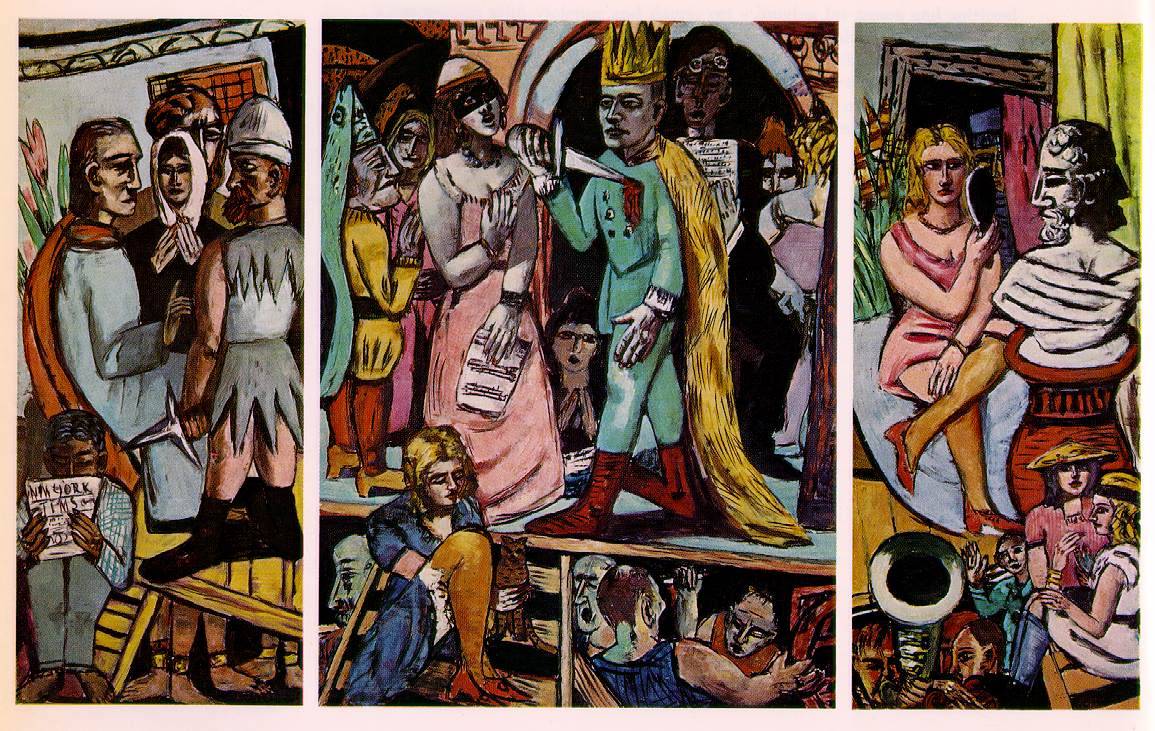
- Max Beckmann, The Actors (1942)
Viewing: Surrealist art




- René Magritte, The Double Secret (1927)
- René Magritte, The Treachery of Images (1929)
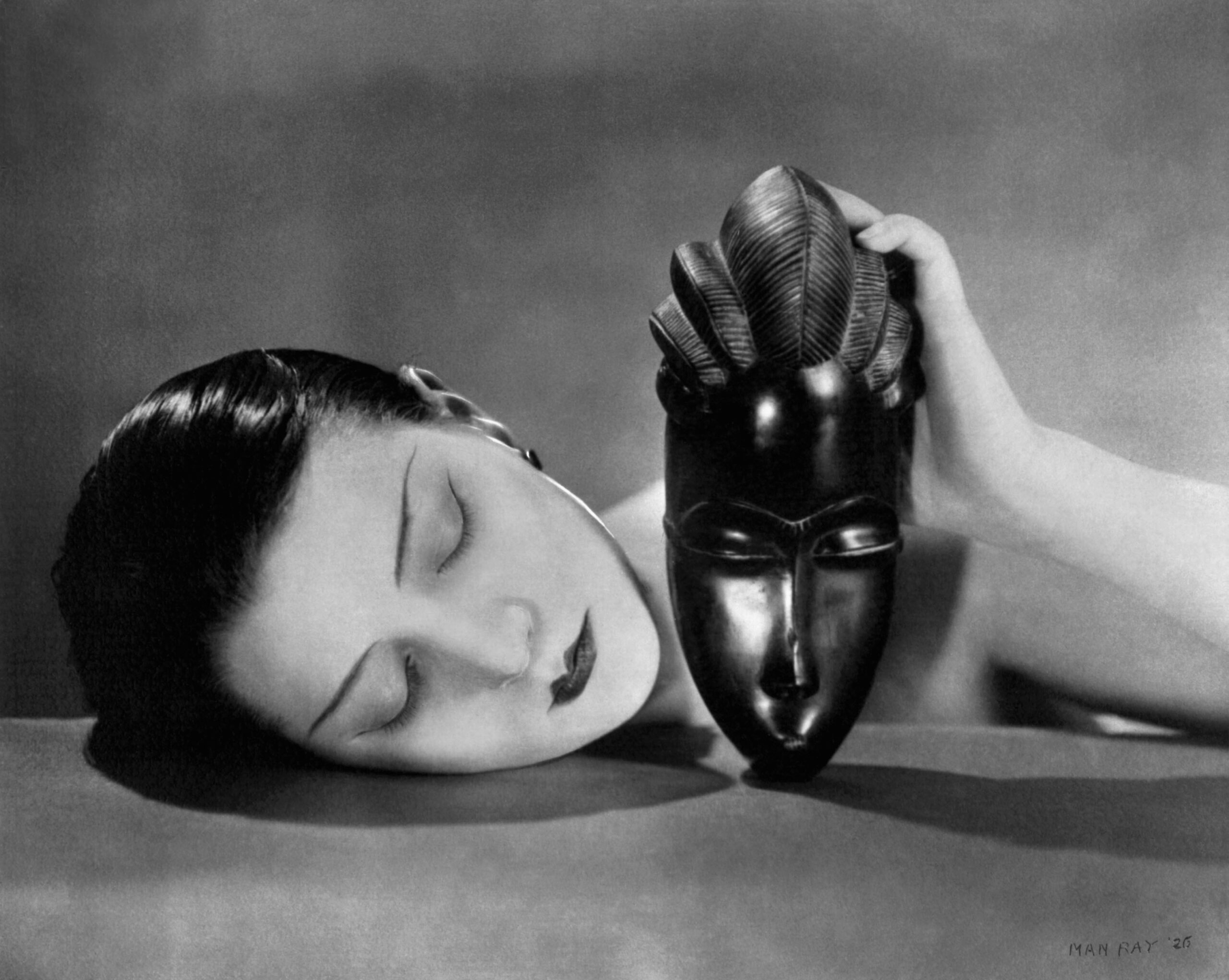
- Man Ray, Black and White (1926)
- Salvador Dali, The Persistence of Memory (1931)
- Méret Oppenheim, Object (1936)
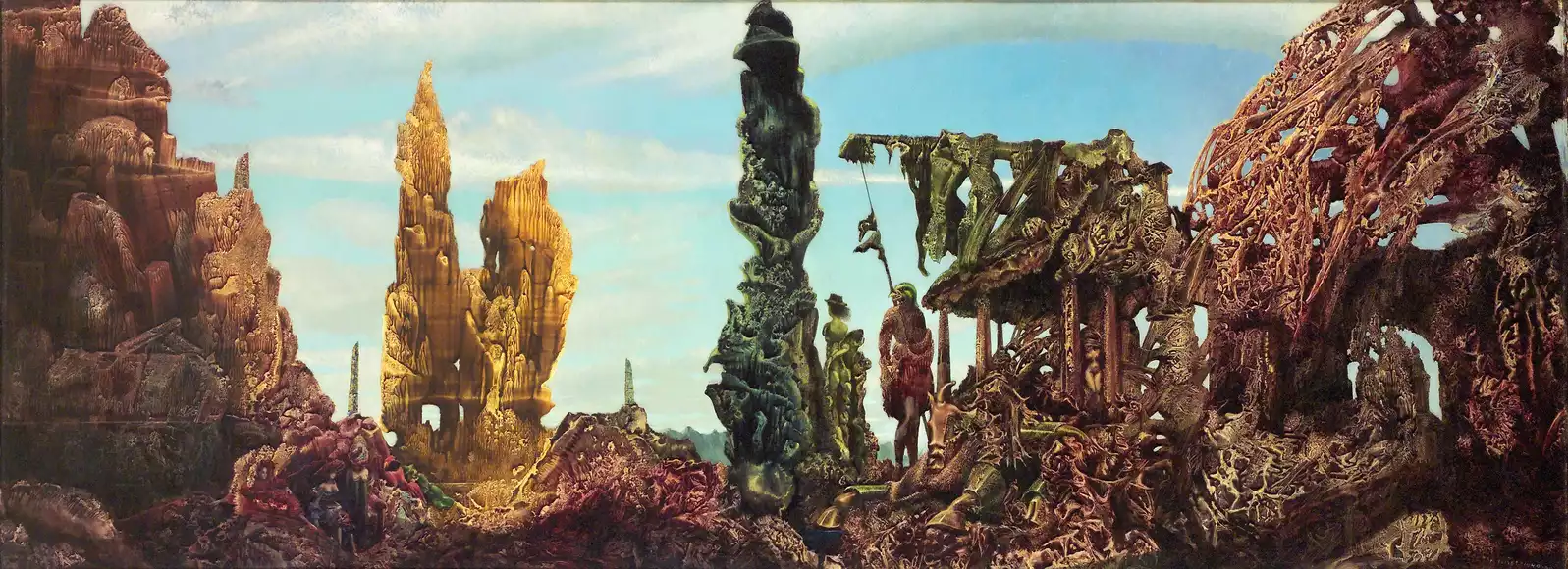
- Max Ernst, Europe After the Rain (1942)
Writing: Respond to ONE of the following prompts. Keep your response short, posting as a reply under the appropriate heading in the comments section:
- Point to a stylistic or thematic pattern you see in some or all of these artworks.
- Point to a striking detail in one particular artwork.
- Given that “anomie” is defined as the loss of social norms, point to a particular artwork and explain how it challenges or violates the viewer’s normative expectations.