Elgin Marbles Debate

Surprisingly, shipping the Parthenon Marbles to London was controversial at the time. This was due, in no small part, to the instant popularity of Childe Harold’s Pilgrimage, in which the Romantic poet Byron reflected on his travels in around the Mediterranean, especially Greece. In the second canto of that 1815 poem, Byron described the ruins of the Parthenon and condemned Elgin as a barbarian pillager. Other Romantic poets disagreed. In 1817 Felicia Hemans responded to Byron’s work with a poem in a similar style and meter, but arguing that the marbles were better off in British hands. And in the same year John Keats wrote an appreciation of the “Elgin Marbles” after making a visit to see them at the British Museum.

Optional Reading:

  • George Gordon Byron, selections from Childe Harold’s Pilgrimage, 1815 (link)
  • Felicia Hemans, selections from Modern Greece, 1817 (link)
  • John Keats, “On Seeing the Elgin Marbles,” 1817 (link)

Semplica Girls

Keeping Up with the Joneses

One of the most talented writers of short fiction working today, George Saunders published “The Semplica Girl Diaries” in The New Yorker in 2012. The story appeared in slightly longer form a few months later in his 2013 collection Tenth of December. Saunders’ fiction blends realism with surrealist touches to comment on contemporary life.

Reading:
George Saunders, “The Semplica Girl Diaries” (Blackboard)

Writing: Respond to ONE of the following prompts. Keep your response short, posting as a reply under the appropriate heading in the comments section:

  1. Saunders’ narrator has a peculiar voice and perspective in this story. Quote a line and use it to comment on what makes the narrator unusual.
  2. Should Saunders’ story be classed as Surrealist? Explain your answer briefly by reference to specific details from the story—and perhaps from the Surrealist Movement.

Caligari

Crooked Houses, Crooked Minds

Committed pacifists Hans Janowitz and Carl Mayer wrote the screenplay for The Cabinet of Dr. Caligari in the wake of World War I. The movie reflects the antiwar ethos and Expressionist aesthetic that came to the fore in 1920s Weimar Germany.

Viewing:
Robert Wiene, The Cabinet of Dr. Caligari available via: Kanopy. Make sure to turn on both the volume (there is music!) and the English subtitles (to accompany the German intertitle cards).

Writing: Respond to ONE of the following prompts. Keep your response short, posting as a reply under the appropriate heading in the comments section:

  1. Point out and comment on a stylistic or thematic pattern in the movie’s visuals.
  2. Point out and comment on a moment where the movie challenges authority or the social order.

Island of Dr. Moreau

Civilized Savagery

The Island of Dr. Moreau explores the boundary between civilization and savagery, imagining brutal medical procedures capable of transforming beasts into men. Like the best science fiction, the novel functions as social commentary in addition to being a thought experiment about science’s philosophical consequences.

Reading:
H.G. Wells, The Island of Dr. Moreau

Writing: Respond to ONE of the following prompts. Keep your response short, posting as a reply under the appropriate heading in the comments section:

  1. Point to a moment when the novel comments on the ideology and practices of the British Empire.
  2. Comment on the significance of a key event or detail from the opening chapter for the novel’s larger themes.
  3. Comment on the role of pain in transforming beasts into men, as described by Moreau in Chapter XIV.

Surrealism

Surrealism

Surrealism seeks to draw upon the imaginative power of the unconscious mind to challenge received ways of thought and so bring about a revolutionary consciousness. I use the present tense in this sentence because while Surrealism first blossomed in 1920s Paris, the movement still has practitioners working in the present day. It first emerged as an outgrowth from Dada. Artists working under the banner of Dada had sought to tear down meaning, but as Surrealists they came to embrace a communitarian ethos—and they engaged in a long running dalliance with the French Communist Party. In the “Manifesto of Surrealism” (1924), Andre Breton theorized imagination, in opposition to the straitjacket of pragmatic utilitarianism, as opening a path to freedom, the first step in reinventing the world order:

Beloved imagination, what I most like in you is your unsparing quality. The mere word “freedom” is the only one that still excites me. I deem it capable of indefinitely sustaining the old human fanaticism. It doubtless satisfies my only legitimate aspiration. Among all the many misfortunes to which we are heir, it is only fair to admit that we are allowed the greatest degree of freedom of thought. It is up to us not to misuse it. To reduce the imagination to a state of slavery—even though it would mean the elimination of what is commonly called happiness—is to betray all sense of absolute justice within oneself. Imagination alone offers me some intimation of what can be, and this is enough to remove to some slight degree the terrible injunction; enough, too, to allow me to devote myself to it without fear of making a mistake (as though it were possible to make a bigger mistake).

Reading: Strickland, pp 148-51.

Viewing: Surrealist art

  • René Magritte, The Double Secret (1927)
  • René Magritte, The Treachery of Images (1929)
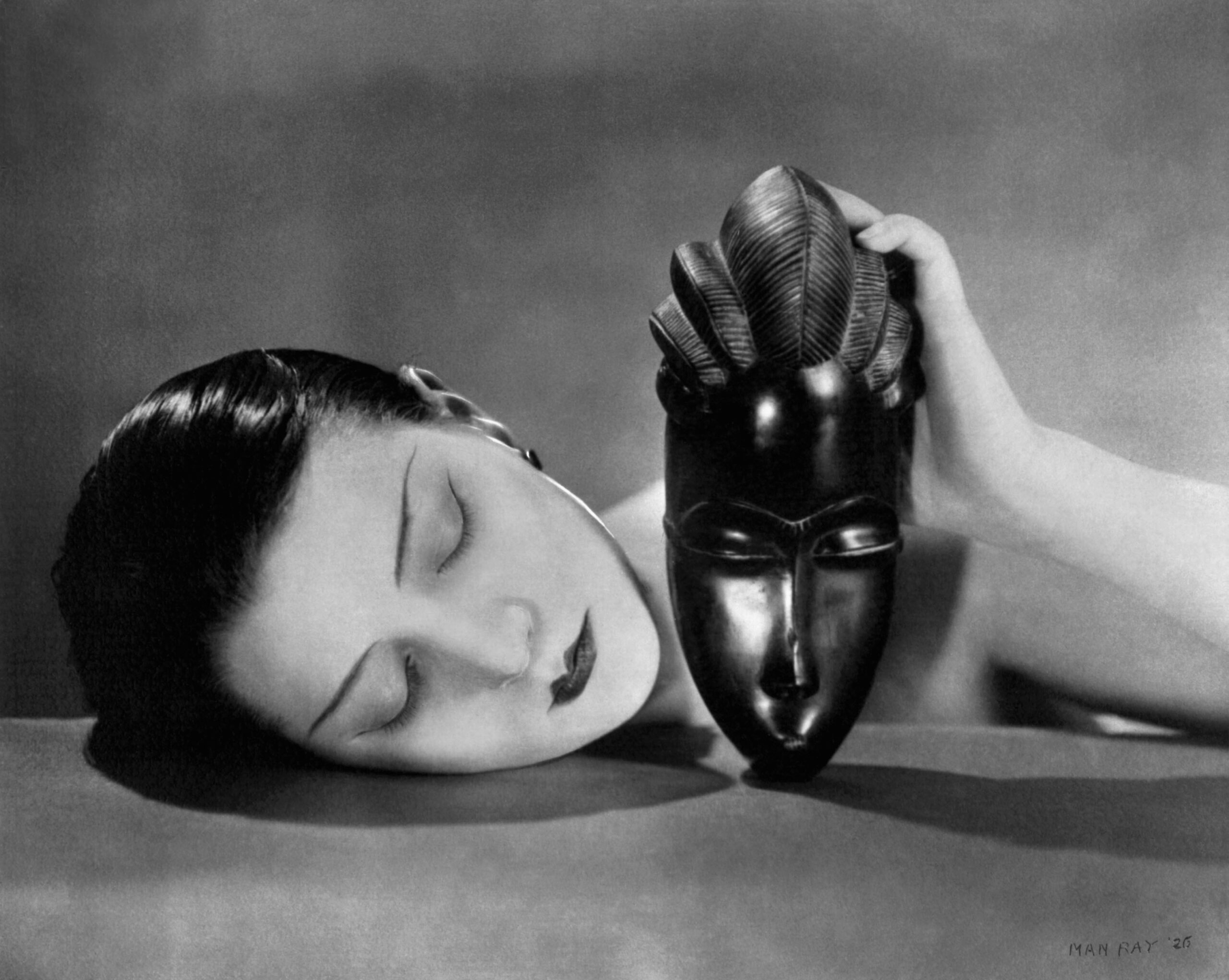
  • Man Ray, Black and White (1926)
  • Man Ray, Sleeping Woman (1929)
  • Salvador Dali, The Persistence of Memory (1931)
  • Méret Oppenheim, Object (1936)
  • Elsa Schiaparelli and Salvador Dali, Lip Dress and Shoe Hat (1937)
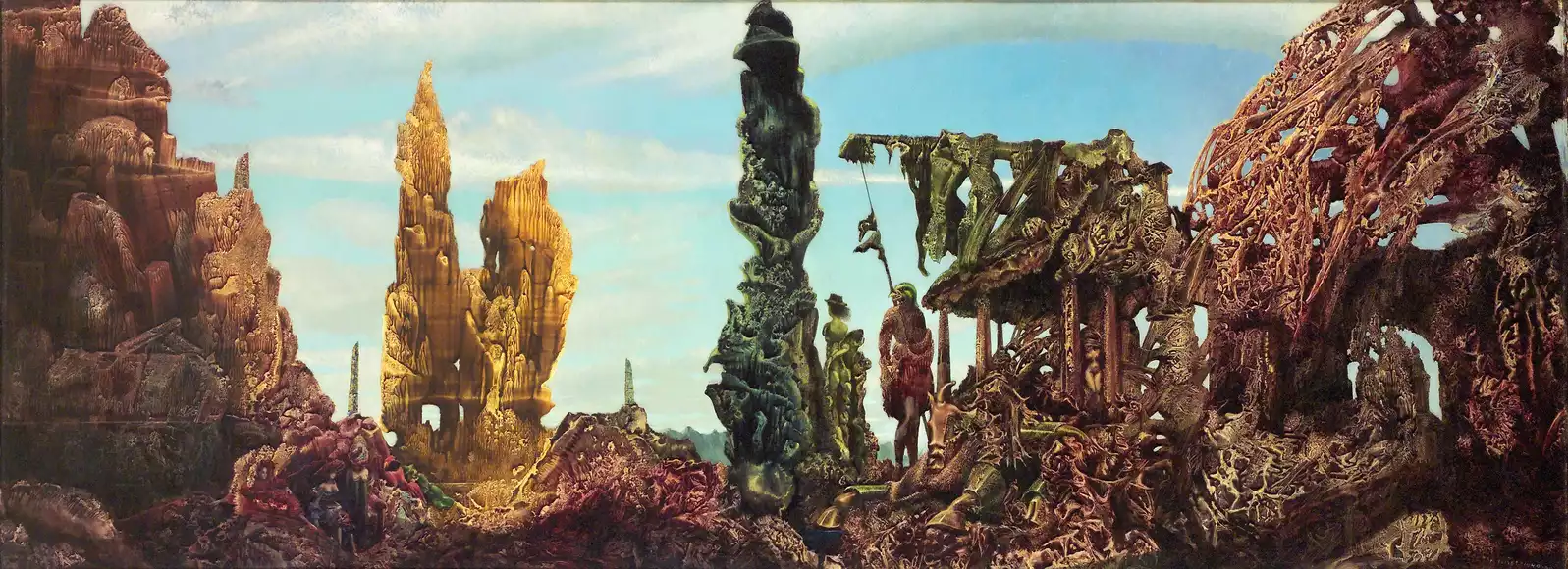
  • Max Ernst, Europe After the Rain (1942)

Writing: Respond to ONE of the following prompts. Keep your response short, posting as a reply under the appropriate heading in the comments section:

  1. Point to a stylistic or thematic pattern you see in some or all of these artworks.
  2. Point to a striking detail in one particular artwork.
  3. How does Surrealism compare to Expressionism? Point to a similarity or contrast between specific works.

Expressionism

Expressionism

Expressionism in art is often traced to the influence of Edvard Munch, whose Scream captures the artist’s tortured soul. In the years before the War, Expressionism spread from painting to poetry, drama and film and after the war it came to define the Avant-Garde in Weimar Germany.

Reading: Strickland, pp 123, 142-44.

Viewing: Expressionist art

  • Edvard Munch, The Scream (earliest version 1893; this version 1910)
  • Egon Schiele, Self-Portrait (1910)
  • Otto Dix, Storm Troopers Advance under a Gas Attack (1924)
  • Otto Dix, Portrait of the Journalist Sylvia von Harden (1926)
  • Max Beckmann, Self-Portrait with Champagne Glass (1919)
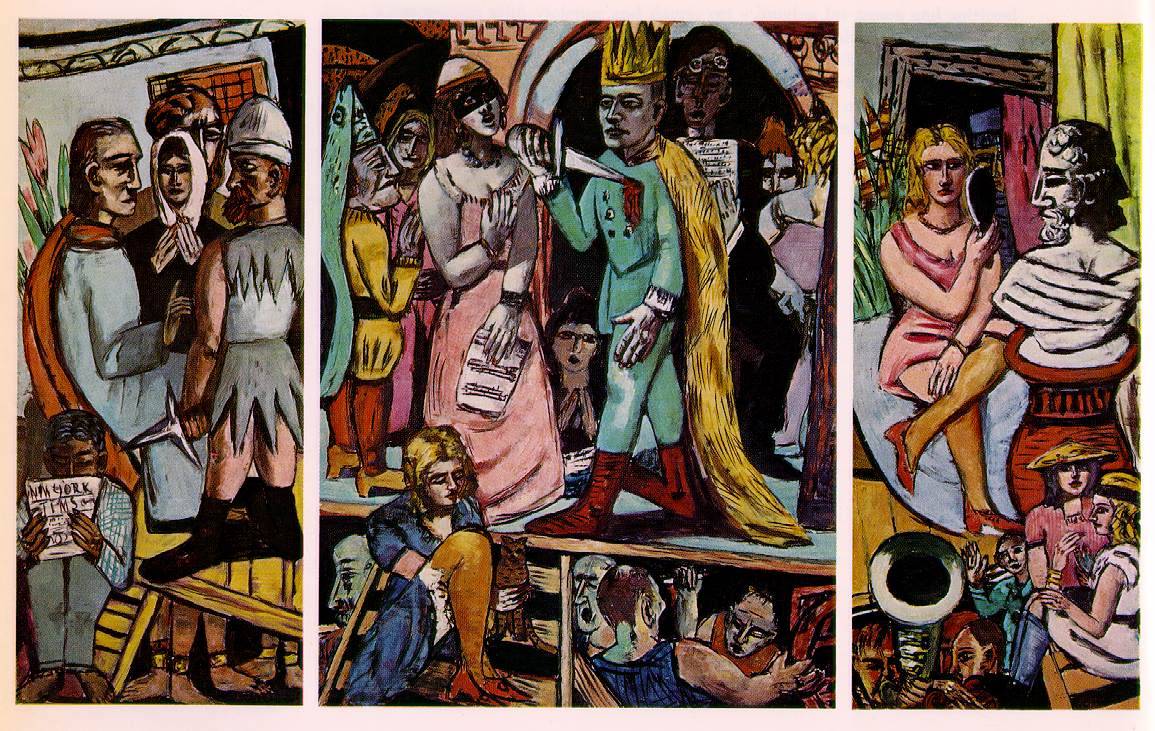
  • Max Beckmann, The Actors (1942)

Writing: Respond to ONE of the following prompts. Keep your response short, posting as a reply under the appropriate heading in the comments section:

  1. Point to a stylistic or thematic pattern you see in some or all of these artworks.
  2. Point to a striking detail in one particular artwork.
  3. Given that “anomie” is defined as the loss of social norms, point to a particular artwork and explain how it challenges or violates the viewer’s normative expectations.

Museum Encounters

Poets and Museum Artworks

The popular movie series, Night at the Museum, imagines displays coming to life after the doors close and the lights go off. This silly premise works, I suspect, because it draws upon something we already believe to be true: that museums are more than just storehouses of dusty relics, that they are staging-grounds where the visitor encounters the “Other”—whether in the form of a long-dead creature, a rare beetle, or a foreign culture.

Reading: as witnesses to this phenomenon, I call to the stand four poets. Each writes in response to a museum artifact, employing ekphrasis to set the artwork before the reader’s eye and (sometimes) apostrophe and prosopopoeia to engage it in conversation:

  • Percy Bysshe Shelley “Ozymandias,” 1817 (link)
  • John Keats, “Ode on a Grecian Urn,” 1818 (link)
  • W.H. Auden, “Musée des Beaux Arts,” 1938 (link)
  • George the Poet, “The Benin bronze,” 2015 (link)

Writing: Respond to ONE of the following prompts. Keep your response short, posting as a reply under the appropriate heading in the comments section:

  1. Highlight a moment in one of these poems where the object responds to inquiry in an unexpected way, surprising the poet—or teaching the audience something new.
  2. All four poems dramatize the poet’s encounter with the past. Focusing on one or two of them, reflect on what they teach us about history and/or the passage of time.

Beat Poetry

Beat Poetry

Together with Jack Kerouac and William Burroughs, Alan Ginsberg was a founding member of the Beat Generation in the late 1950s. The Beats questioned the certitudes of consensus liberalism, highlighting the spiritual poverty of consumer culture. Many of the cultural trends we associate with the late 1960s, from free love to drug use, were initially explored by Beat writers and artists. Ten years later, Ginsberg served as an elder statesman to the Hippies of Haight-Ashbury in San Francisco during the Summer of Love (1968).

Reading:

  • Alan Ginsberg, Howl (1956) (link). Note: you may find it valuable to listen to Ginsberg read his poem, in a 1959 recording: YouTube.
  • Alan Ginsberg, “Footnote to Howl,” printed on the page immediately following: link.

    Writing: Respond to ONE of the following prompts. Keep your response short, posting as a reply under the appropriate heading in the comments section:

    1. Quote and respond to a striking image or phrase from the poem.
    2. The poem opens with something like a howl. But what’s the emotional valence of this howl: rage? joy? something else? Explain your answer by quotation of a key line or phrase.
    3. How does the poem’s emotional valence shift in its later sections? In your answer, feel free to focus on any one of the later sections, including the “Footnote.” Explain your answer by quotation of a key line or phrase.

Street Art

The Politics and Aesthetics of Street Art

Viewing:

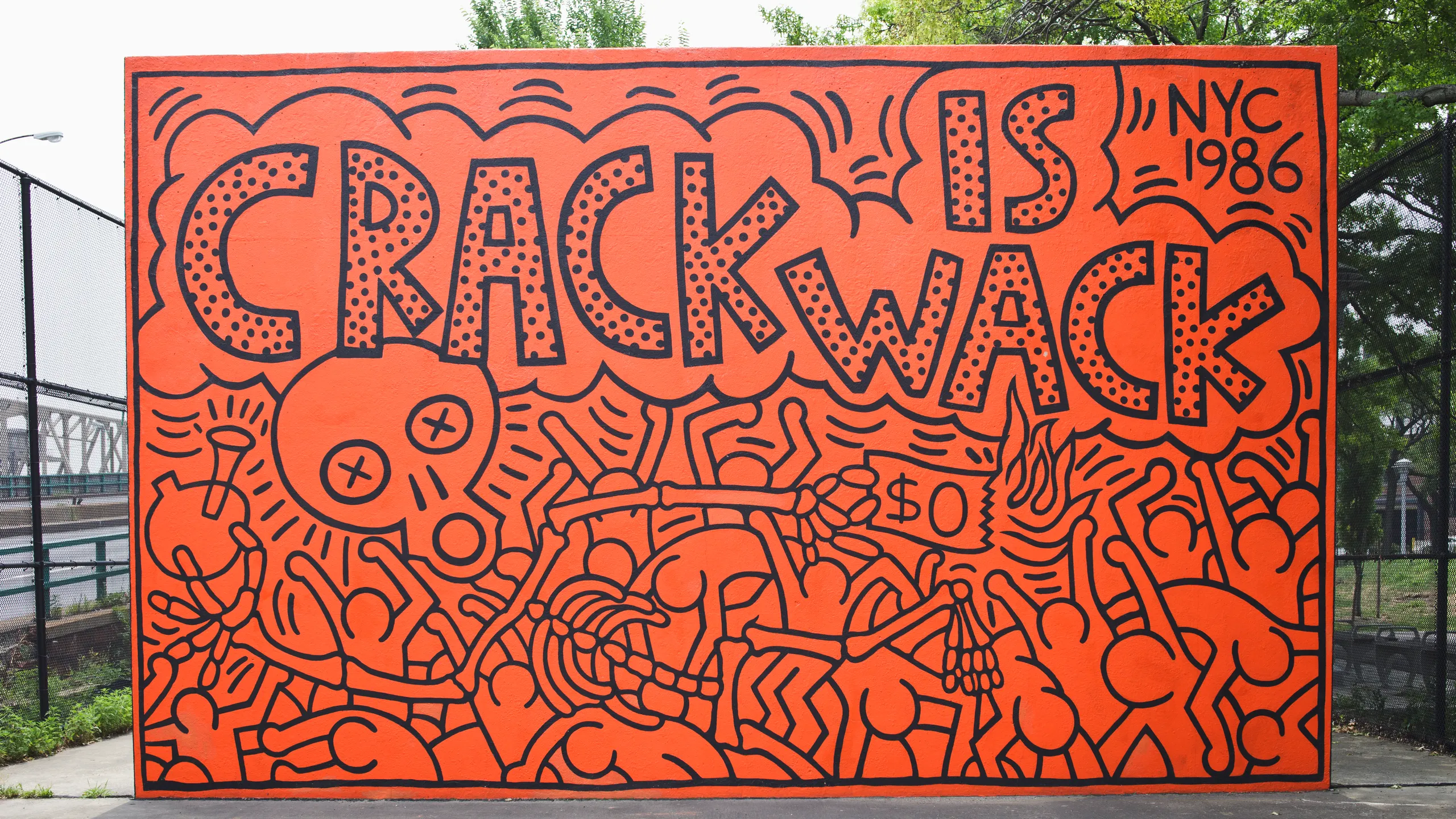
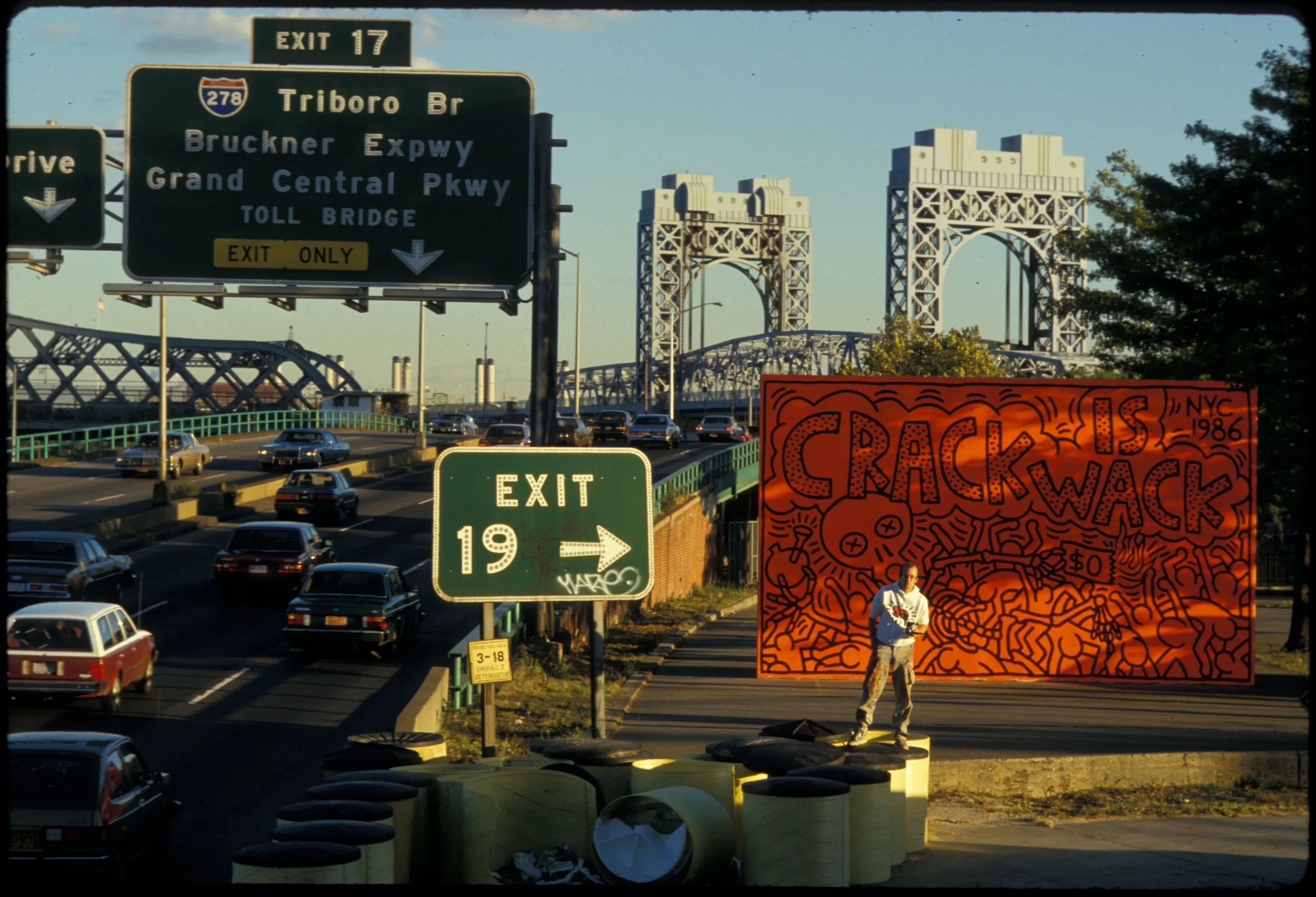
  • Keith Haring, Crack is Wack (1986)
  • Jean-Michel Basquiat, Melting Point of Ice (1984)
  • Banksy, Parking (2010)
  • Banksy, If Graffiti Changed Anything (2011)

Reading:

Writing: Respond to ONE of the following prompts. Keep your response short, posting as a reply under the appropriate heading in the comments section:

  1. Point out a key contrast OR continuity in the street art featured above.
  2. Post a photo you took of street art here in London, then comment on how it draws upon or violates the tradition shown above.

Protest Art

Artistic Transformation and Political Activism

Viewing: Corita Kent:

  • Corita Kent, that they may have life (1964)
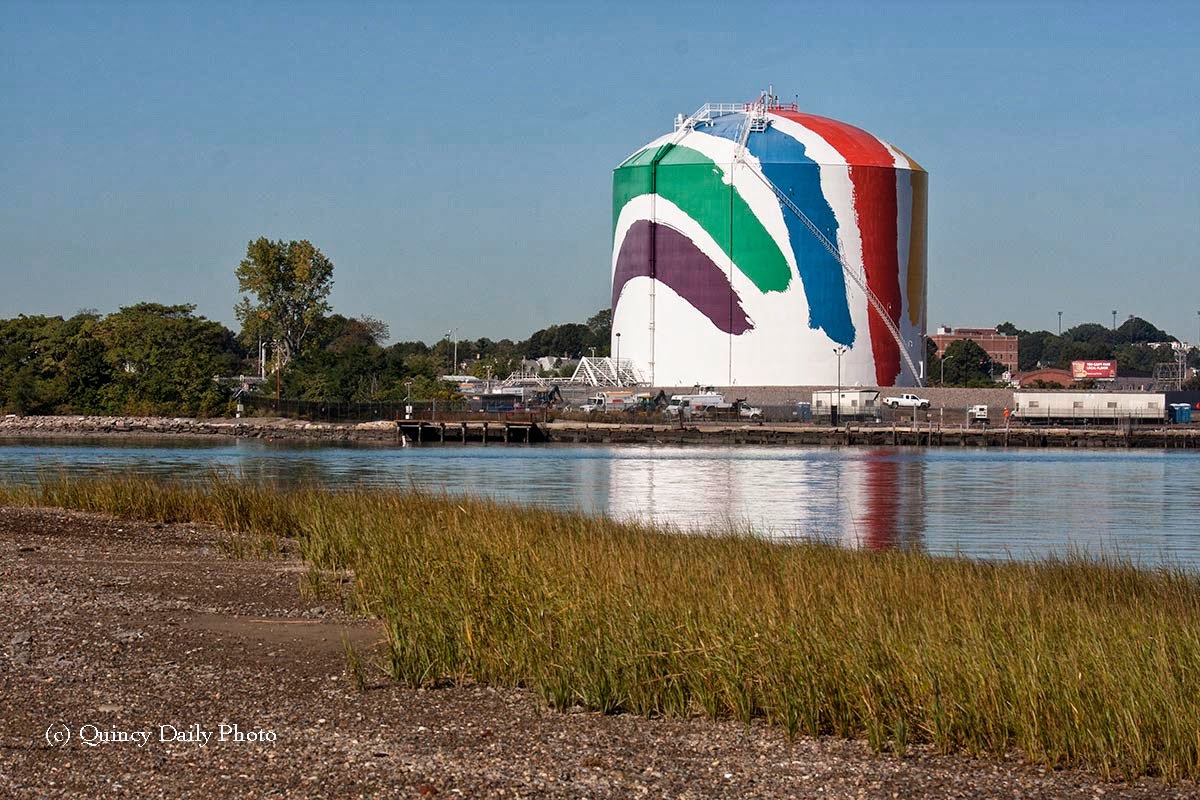
  • Corita Kent, Rainbow Swash (1971)
  • Corita Kent, Love stamp (1985)

Viewing: Jasper Johns, Flag Paintings:

  • Jasper Johns, Flag (1954)
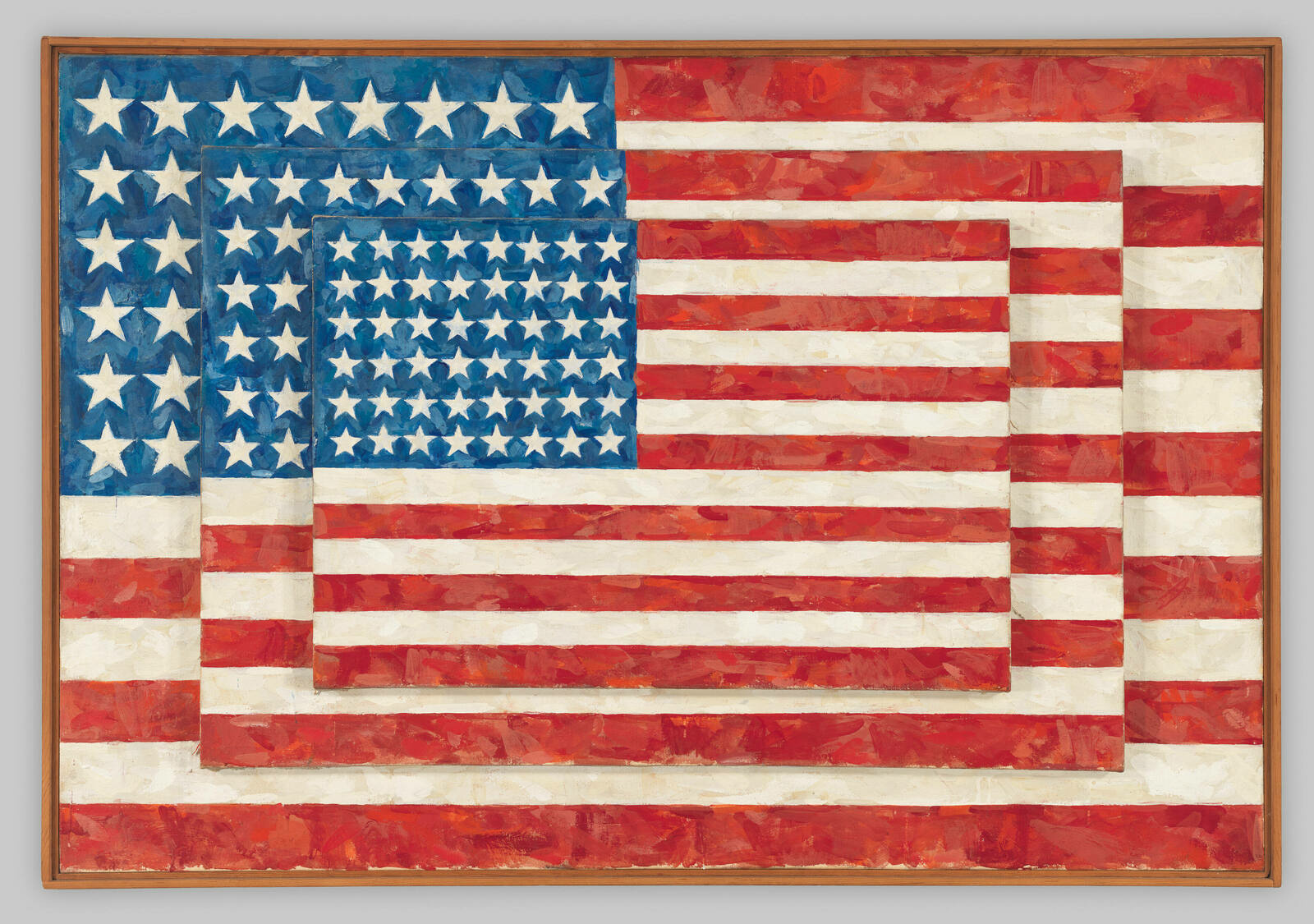
  • Jasper Johns, Threee Flags (1958)
  • Jasper Johns, Flag Moratorium (1969)

Viewing: Jimi Hendrix, “Star Spangled Banner” (leads into “Purple Haze”) performed at Woodstock, Aug 1969.

Writing: Respond to ONE of the following prompts. Keep your response short, posting as a reply under the appropriate heading in the comments section:

  1. Many of these artworks rework preexisting culture. Focusing on one in particular, give a rich description of what it adds, subtracts, or otherwise does to transform the original.
  2. Identify one of these pieces that strikes you as turning non-art into art. What’s at stake, culturally, in this act of transformation?
  3. Identify one of these pieces that strikes you as voicing a political message. What’s the message, and how is it being voiced?