Beat Poetry

Beat Poetry

Together with Jack Kerouac and William Burroughs, Alan Ginsberg was a founding member of the Beat Generation in the late 1950s. The Beats questioned the certitudes of consensus liberalism, highlighting the spiritual poverty of consumer culture. Many of the cultural trends we associate with the late 1960s, from free love to drug use, were initially explored by Beat writers and artists. Ten years later, Ginsberg served as an elder statesman to the Hippies of Haight-Ashbury in San Francisco during the Summer of Love (1968).

Reading:

  • Alan Ginsberg, Howl (1956) (link). Note: you may find it valuable to listen to Ginsberg read his poem, in a 1959 recording: YouTube.
  • Alan Ginsberg, “Footnote to Howl,” printed on the page immediately following: link.

    Writing: Respond to ONE of the following prompts. Keep your response short, posting as a reply under the appropriate heading in the comments section:

    1. Quote and respond to a striking image or phrase from the poem.
    2. The poem opens with something like a howl. But what’s the emotional valence of this howl: rage? joy? something else? Explain your answer by quotation of a key line or phrase.
    3. How does the poem’s emotional valence shift in its later sections? In your answer, feel free to focus on any one of the later sections, including the “Footnote.” Explain your answer by quotation of a key line or phrase.

Street Art

The Politics and Aesthetics of Street Art

Viewing:

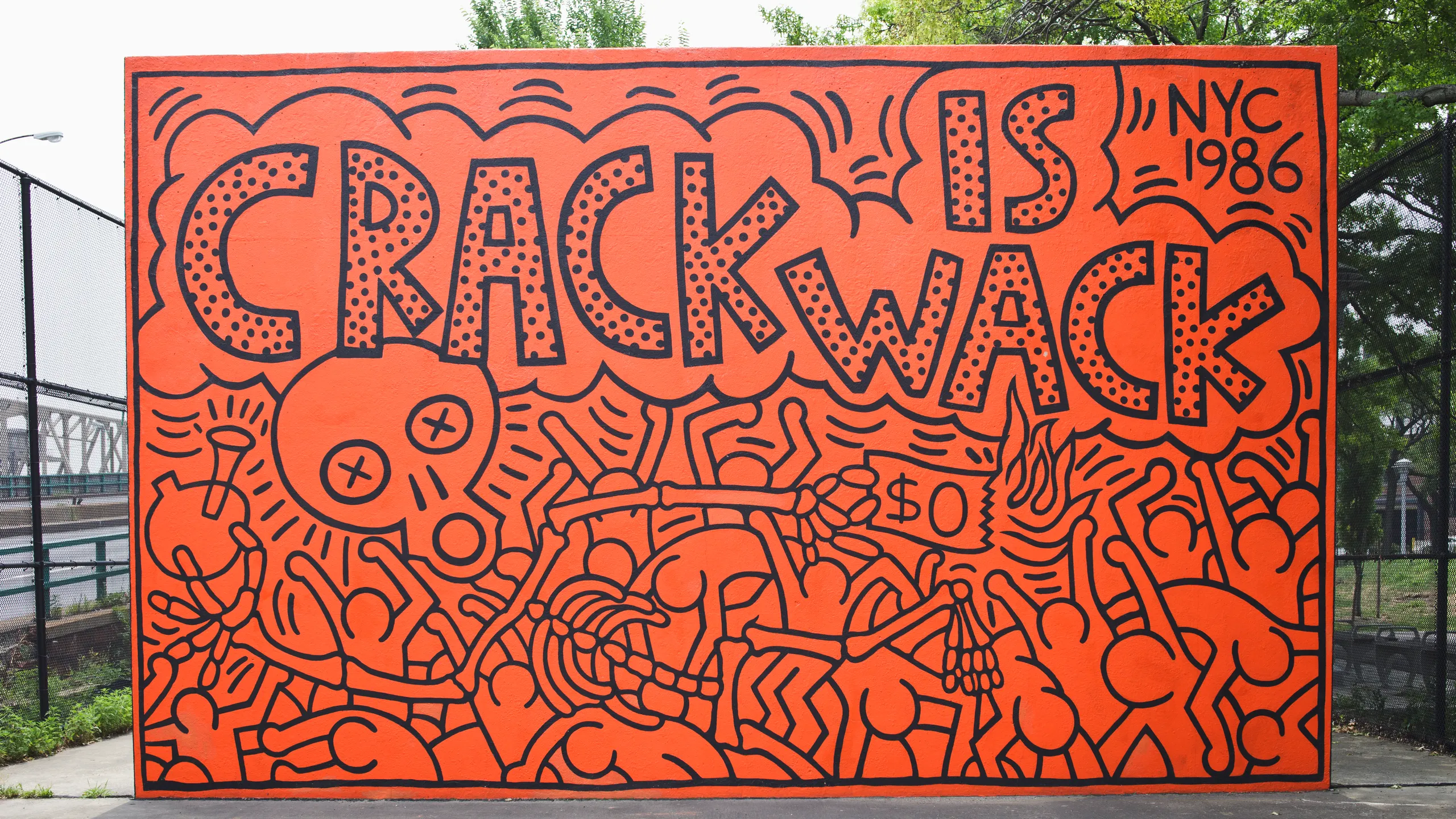
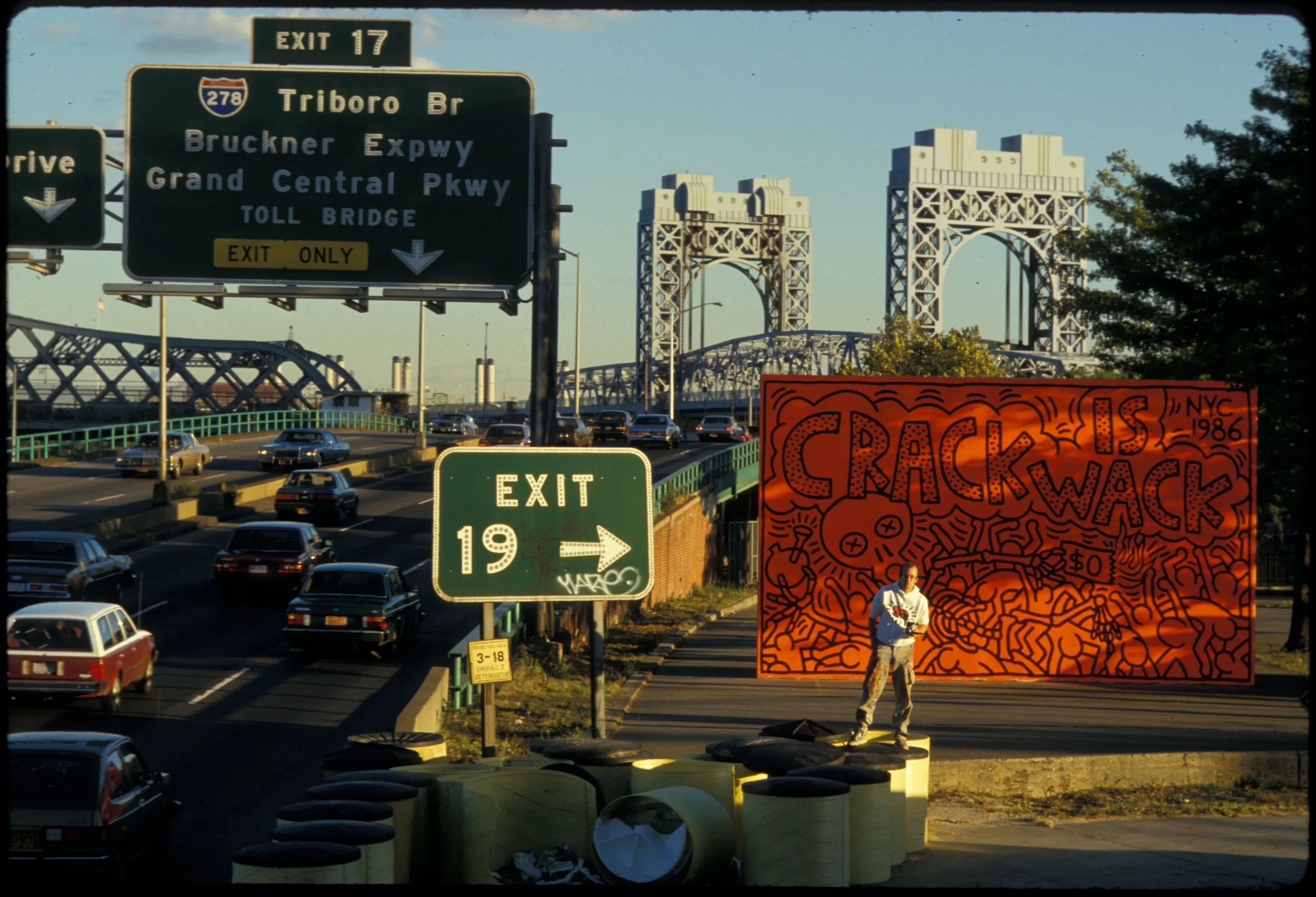
  • Keith Haring, Crack is Wack (1986)
  • Jean-Michel Basquiat, Melting Point of Ice (1984)
  • Banksy, Parking (2010)
  • Banksy, If Graffiti Changed Anything (2011)

Reading:

Writing: Respond to ONE of the following prompts. Keep your response short, posting as a reply under the appropriate heading in the comments section:

  1. Point out a key contrast OR continuity in the street art featured above.
  2. Post a photo you took of street art here in London, then comment on how it draws upon or violates the tradition shown above.

Machines and the Human

Machines and the Human

Films like Ex Machina prompt us to ask what makes us human. To compliment your RH viewing of that movie, I’m adding a story by one of the present era’s leading writers of thoughtful science fiction, Paolo Bacigalupi. “Mika Model” draws on tropes from hard-boiled detective fiction to ask what a robot might need to do to prove its humanity.

Writing: Respond to ONE of the following prompts. Keep your response short, posting as a reply under the appropriate heading in the comments section:

  1. Point out a key contrast OR continuity between “Mika Model” and Ex Machina.
  2. Point out a key contrast OR continuity between “Mika Model” and hard-boiled detective fiction (if you’re unfamiliar, here’s the opening scene from The Maltese Falcon).

Apocalypse Now

The Smell of Napalm in the Morning

Screenwriter John Milius first conceived of using Conrad’s Heart of Darkness as the basis for a movie about America’s intervention in Vietnam in 1969, at the peak of the fighting—and the peak of antiwar activism in the States. Francis Ford Coppola joined the project following the success of his 1972 Godfather. In 1977, four years after America’s withdrawal from Vietnam, Coppola began filming Apocalypse Now in the jungles of the Philippines, using Vietnamese refugees as extras.

We’re watching the “Final Cut” of the movie, released on its 40th anniversary in 2019. At 183 minutes, it’s longer than the 153-minute theatrical release, but at least it’s not as long as the lugubrious 202-minute Apocalypse Now Redux of 2001.

Viewing: Francis Ford Coppola, Apocalypse Now, available via BOB. (If this link doesn’t pull up the playlist, come back here and click on it a second time after you log in.)

Writing: Respond to ONE of the following prompts. Keep your response short, posting as a reply under the appropriate heading in the comments section:

  1. Call our attention to a moment of striking violence—or perhaps one of quiet and stillness. What does this moment suggest about the experience of Vietnam?
  2. Call our attention to a moment where the camera engages with culture, whether Vietnamese, American, or French. What does this moment suggest about cross-cultural exchange during the Vietnam conflict?
  3. Call our attention to a moment or a scene that draws on Conrad’s Heart of Darkness. How well does the historical analogy hold up?

Protest Art

Artistic Transformation and Political Activism

Viewing: Corita Kent:

  • Corita Kent, that they may have life (1964)
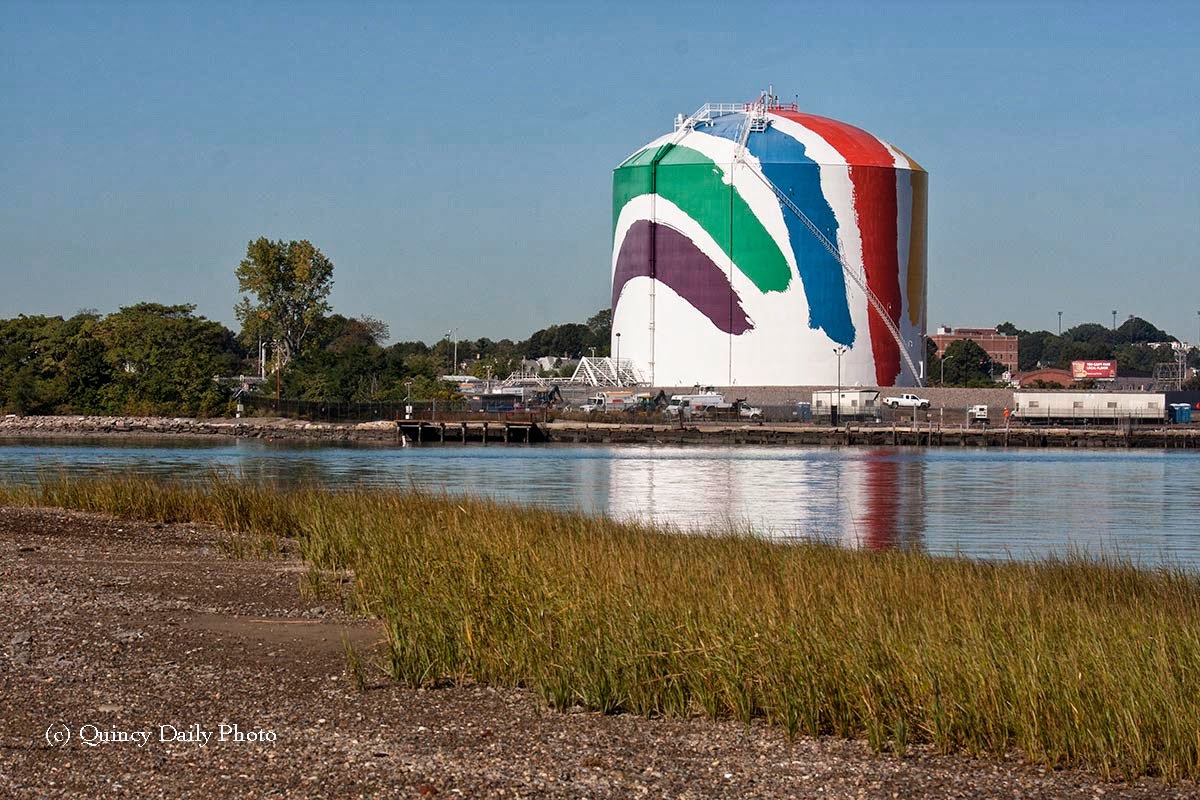
  • Corita Kent, Rainbow Swash (1971)
  • Corita Kent, Love stamp (1985)

Viewing: Jasper Johns, Flag Paintings:

  • Jasper Johns, Flag (1954)
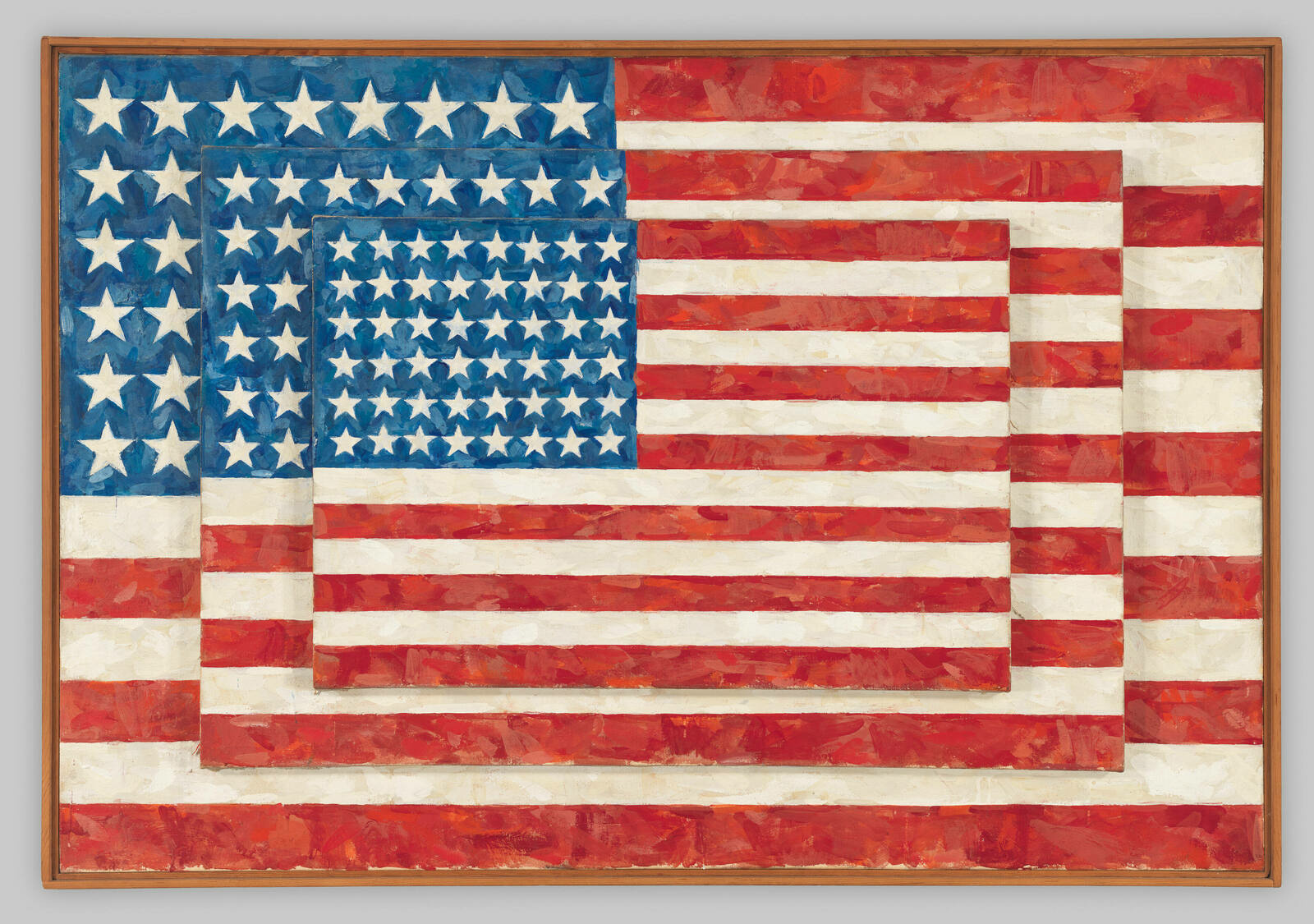
  • Jasper Johns, Threee Flags (1958)
  • Jasper Johns, Flag Moratorium (1969)

Viewing: Jimi Hendrix, “Star Spangled Banner” (leads into “Purple Haze”) performed at Woodstock, Aug 1969.

Writing: Respond to ONE of the following prompts. Keep your response short, posting as a reply under the appropriate heading in the comments section:

  1. Many of these artworks rework preexisting culture. Focusing on one in particular, give a rich description of what it adds, subtracts, or otherwise does to transform the original.
  2. Identify one of these pieces that strikes you as turning non-art into art. What’s at stake, culturally, in this act of transformation?
  3. Identify one of these pieces that strikes you as voicing a political message. What’s the message, and how is it being voiced?

Postwar American Art

Art in America After the War

New York became the art capital of the world after World War II. In the run-up to the war, artists of the avant-garde fled Europe for the safety of America. But the shift also reflected America’s rise in the world, not to mention the confidence of its often experimental artists.

Abstract Expressionism

Reading: Strickland, pp 158-161, 166.

Reading: Alastair Sooke, “Was modern art a weapon of the CIA?” BBC.com, Oct 4, 2016.

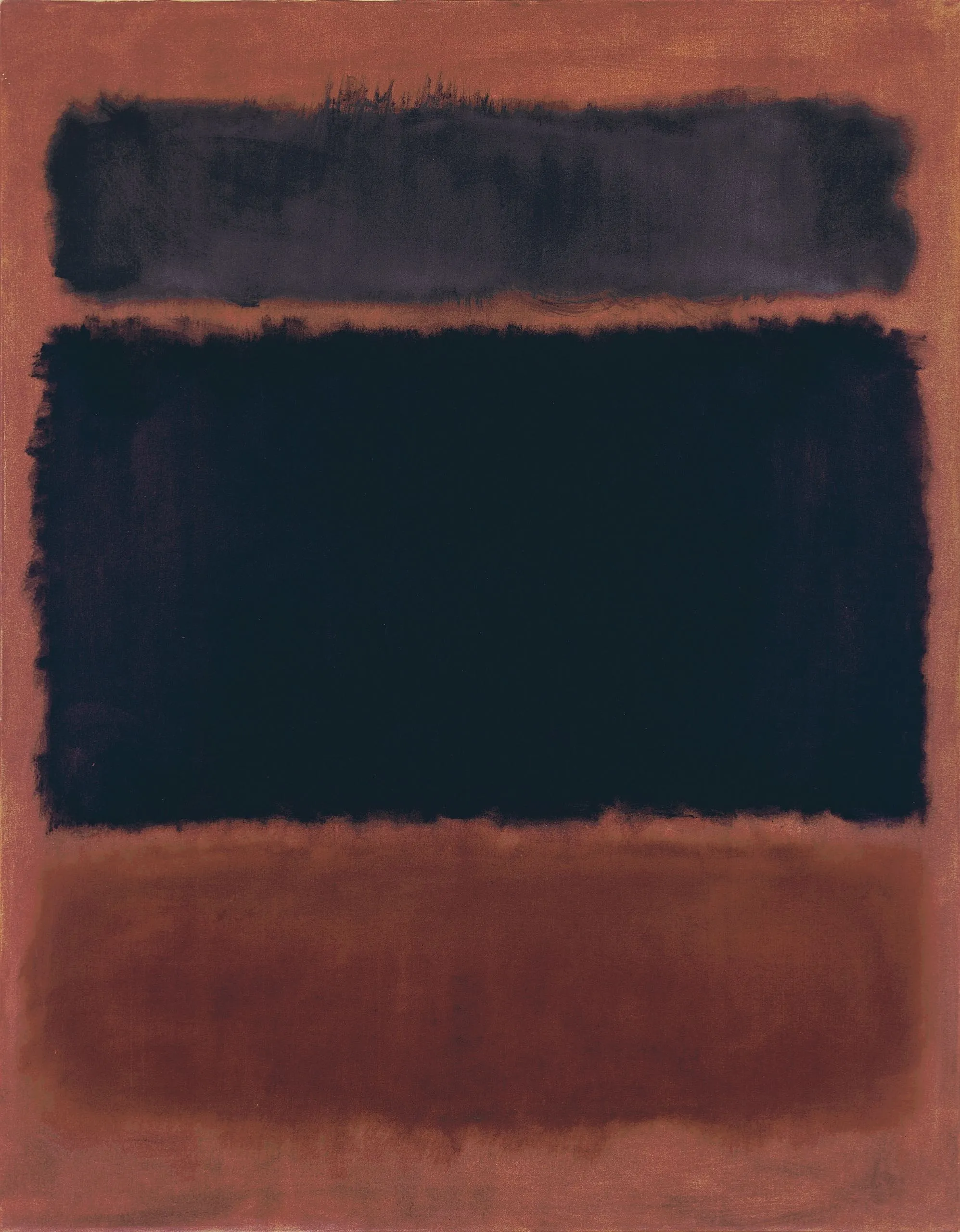
Viewing: examples of Abstract Expressionism:

  • Willem de Kooning, Woman/Verso: Untitled (1948)
  • Jackson Pollock, One: Number 31 (1950) (check out this brief MOMA video)
  • Mark Rothko, Black in Deep Red (1957)
  • Clyfford Still, PH-971 (1957)

In Class: we also discussed Willem de Kooning’s Excavation, which I’m adding here:

Excavation, painted on a 6-foot-by-8-foot canvas, was de Kooning’s largest painting through 1950.

Pop Art

Reading: Strickland, pp 172-176.

Reading: Ben Panko, “The Comic Artists Who Inspired Roy Lichtenstein Aren’t Too Thrilled About It,” Smithsonian Magazine, October 27, 2017.

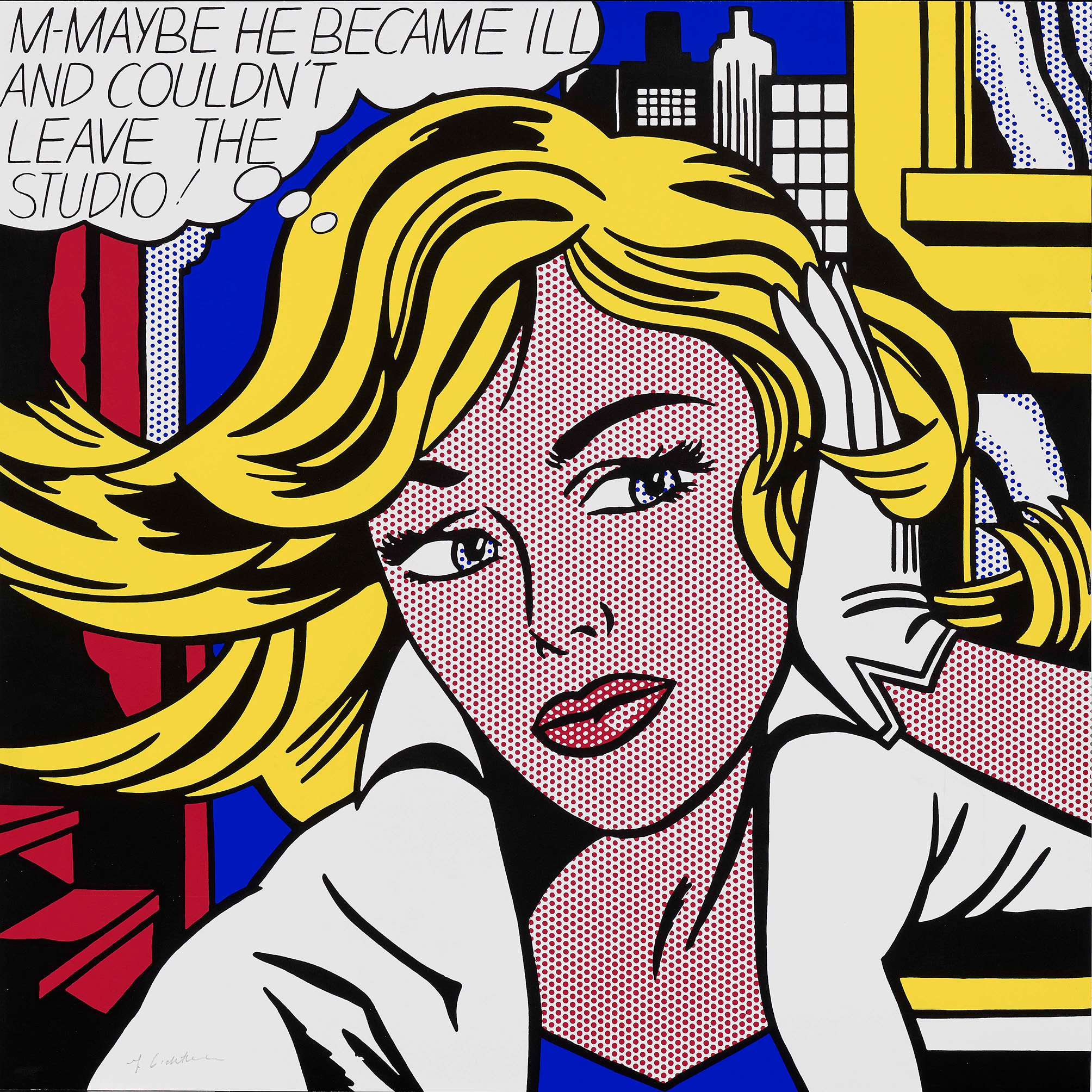
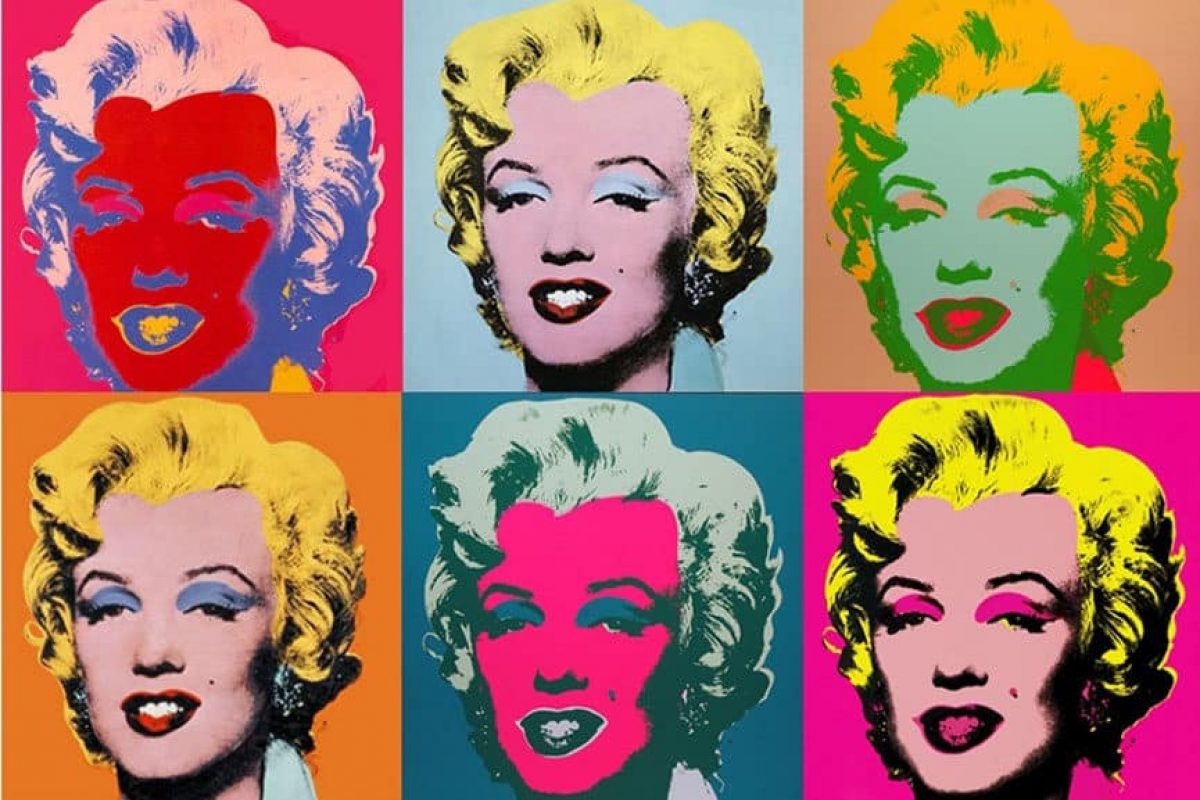
Viewing: examples of Pop Art:

  • Jasper Johns, Target with Four Faces (1955)
  • Roy Lichtenstein, M-Maybe (1965)
  • Andy Warhol, Marilyn (1967)
  • Claes Oldenburg, Clothespin (1976)

Writing: Respond to ONE of the following prompts. Keep your response short, posting as a reply under the appropriate heading in the comments section:

  1. Point out a key contrast OR continuity in the art featured above.
  2. Choose an artwork from today’s assignment that you find particularly engaging. Look at it for 3 minutes, then briefly describe your experience, pointing to particular details or visual qualities that helped produce that experience.

Black Panther

The First Black Superhero

The Black Panther made his debut on the cover of the July 1966 issue of Fantastic Four: an agile, black-garbed human figure springing triumphantly above the titular characters, who were busy exploring a strange and tangled jungle of circuitry. In a curious historical coincidence, Stan Lee and Jack Kirby invented the character around the same moment as activists working to get out the Black vote in Lowndes County, Alabama, adopted a black panther as their logo. A few months later, in October 1966, that logo inspired the formation of the Black Panther Party for Self-Defense in Oakland, California.

While Marvel’s Black Panther proved popular with readers, his fame was soon eclipsed by the Party, when Black Panthers entered the California State Capitol, fully armed, to protest a proposed change in gun regulations. They made it as far as the floor of the Assembly chamber before being disarmed and escorted from the building. Party members would later claim that the group did not intend to commandeer the legislative process that day, but merely took a wrong turn on their way to the visitors gallery. Blunder or not, the optics of an armed coup were irresistible to the news media: “Capitol Is Invaded,” ran the full-width banner headline on the Sacramento Bee’s front page. Keep this context in mind as you read the two-issue story that introduced Marvel’s Black Panther.

Reading: Stan Lee and Jack Kirby, “The Black Panther” and “The Way It Began,” Fantastic Four #52 & #53.

Writing: Respond to ONE of the following prompts. Keep your response short, posting as a reply under the appropriate heading in the comments section:

  1. Can this comic-book hero be seen as an exponent of “Black Power”? Focus our attention on a particular image or plot event as evidence.
  2. Does this comic book confirm colonialist stereotypes about Africa? Or does it problematize them? Focus our attention on a particular image or plot event as evidence.

Superheroes

Superheroes, Idealism, and the Case for/against War

Sometimes history moves faster than a speeding bullet.

Superman appeared on the cover of Action Comics #1 in April 1938. The character caught on with readers: a new kind of pulp hero, dressed in bright colors and blessed with superhuman powers, dedicated to making the world a better place. Within months, he had his own comic title; a year later, competitors were horning in on the action with other superheroes: Batman, Captain Marvel, Flash, and many others now forgotten.

Meanwhile Hitler began to rapidly expand Germany’s borders to the south and east, annexing Austria in March 1938 and the German-speaking parts of Czechoslovakia a few months later. German troops partitioned the remainder with Hungary in March 1939, and in September Hitler invaded Poland as part of a secret agreement with Russia’s Stalin, triggering the start of World War II.

While Great Britain and France were the first to declare war, Germany was the first to act, successfully occupying Norway, Denmark, Belgium, the Netherlands and two-thirds of France in the spring of 1940. This left Britain isolated and under aerial bombardment, as detailed at the Churchill Museum.

How would America’s new breed of costumed idealists respond to this aggression? Superman’s creators, Jerry Siegel and Joe Shuster, weighed in shortly before Germany’s series of spring 1940 offensives with a story imagining their hero bringing a swift end to the conflict. Interestingly, they published this story in Look magazine rather than an ordinary comic book—certainly a detail worthy of conversation.

Other comics creators weren’t so sure about the wisdom of getting involved in “Europe’s troubles.” In the late spring of the same year Don Shelby gave a principled argument for isolationism in a science-fiction story featuring Gary Concord: the Ultra-Man.

In short, the debate between Isolationists and Interventionists wound up being carried out not only on the editorial pages of America’s newspapers, but in the comic-books sold at those same newsstands. Perhaps the most forceful instance was the cover of the first issue of Jack Kirby and Joe Simon’s new hero, Captain America, who’s shown punching Hitler’s lights out.

Reading:

  • Jerry Siegel and Joe Shuster, “How Superman Would Win the War,” Look magazine, Feb 27, 1940. (Focus on the comic.)
  • Don Shelby (aka Jon L. Blummer), “Gary Concord, the Ultra-Man,” All-Star Comics #1, Summer 1940. (Focus on the first two interior pages of the comic-book story, and the last panel on the final page.)
  • Joe Simon and Jack Kirby, “Case No. 1. Meet Captain America,” Captain America #1, March 1941. (Focus on the cover as well as the first two pages of the comic-book story.)

Writing: Respond to ONE of the following prompts. Keep your response short, posting as a reply under the appropriate heading in the comments section:

  1. How do these comics characterize America’s purpose in the world? If possible, call attention to a continuity rather than to a disagreement.
  2. How do these comics imagine the role of the superhero in society/history? Call our attention to a continuity or to a disagreement.

Casablanca

Everybody Comes to Rick’s

Casablanca was released in November of 1942, almost a year after the Japanese attack on Pearl Harbor brought an abrupt end to the political debate over whether America should intervene in the war. Yet that debate plays a central role in the movie, thematized in Bogart’s bitter declaration that he sticks his neck out for nobody.

That thematic focus can be traced to the screenplay’s origins as an unproduced stage play written in 1940, Everybody Comes to Rick’s. Warner Brothers purchased rights to the play in January 1942, shortly after the US declaration of war. Interestingly, the pair of screenwriters who adapted the play were around the same time working on series of seven propaganda films for the US Department of War titled Why We Fight.

Casablanca also provides us with the opportunity to dip a toe into a musical tradition very different from Beethoven, jazz. The movie features Dooley Wilson in the role of Sam, Rick’s loyal confidante who plays the piano in his saloon. Jazz is a distinctively American style of music; without Wilson’s presence at the piano, it’s hard to see how the place could properly be called “Rick’s Café Américain.” But jazz is also distinctively African-American, and Wilson’s relationship with Rick introduces American racial dynamics into a movie that is otherwise focused on what, if anything, America owes to the wider world.

Listening: Both of the following songs are classics, and date from the era of the movie. While both songs are upbeat, they also can be seen as offering sly commentary on race in America.

  • Duke Ellington, “Take the A Train,” clip from 1943 movie Reveille: YouTube.
  • Louis Armstrong, “Shine,” 1942 performance: YouTube.

Viewing: Michael Curtiz, Casablanca, available via BOB. (If this link doesn’t pull up the playlist, come back here and click on it a second time after you log in.)

Writing: Respond to ONE of the following prompts. Keep your response short, posting as a reply under the appropriate heading in the comments section:

  1. Call our attention to a moment in the movie that can be read as advocating for American intervention in WWII.
  2. Focusing on Rick’s relationship with Sam, what does Casablanca have to say about race? Call our attention to a particular moment and what it implies. (Feel free to reference the music of Louis Armstrong and/or Duke Ellington as well.)
  3. Focusing on the movie’s love triangle, what does Casablanca say about the role(s) of love and passion in society? Is love a force for order or for chaos?

Kafka

Bugging Out

Born in Prague in 1883, Franz Kafka is one of the most influential writers of the twentieth century. Yet almost all his fiction was published posthumously, after his early death from tuberculosis in 1924. As an educated, German-speaking lawyer, Kafka was a member of Prague’s middle class, but he was also very much an outsider, a Jew living in the Austro-Hungarian Empire (after 1918, Czechoslovakia). Emperor Franz Joseph I had extended full citizenship to Jews fifteen years before Kafka’s birth, but antisemitism remained rife—and found terrible expression after Hitler occupied Prague fifteen years after Kafka’s death.

Kafka’s short novel The Metamorphosis presents middle-class existence as precarious—and throws into question whether family can stand as a bulwark against the vagaries of fortune.

Reading: Kafka, The Metamorphosis trans Susan Bernofsky.

Optional Reading: our translator, Susan Bernofsky, talks about the challenges of rendering Kafka’s story in English in an article published in the New Yorker: link. (This may be present in your copy of the book, as an “Afterword.”)

Writing: Respond to ONE of the following prompts. Keep your response short, posting as a reply under the appropriate heading in the comments section:

  1. Given that “anomie” is defined as the loss of social norms, point to a particular moment in Kafka’s story and explain how it challenges or violates the reader’s normative expectations.
  2. Gregor Samsa is often characterized as an “antihero.” Without looking up that term, point to something specific that Samsa does (or fails to do) that strikes you as unheroic.
  3. There are lots of weird moments in this story: point to one and comment briefly.