
Art in America After the War
New York became the art capital of the world after World War II. In the run-up to the war, artists of the avant-garde fled Europe for the safety of America. But the shift also reflected America’s rise in the world, not to mention the confidence of its often experimental artists.
Abstract Expressionism
Reading: Strickland, pp 158-161, 166.
Reading: Alastair Sooke, “Was modern art a weapon of the CIA?” BBC.com, Oct 4, 2016.
Viewing: examples of Abstract Expressionism:



- Willem de Kooning, Woman/Verso: Untitled (1948)
- Jackson Pollock, One: Number 31 (1950) (check out this brief MOMA video)
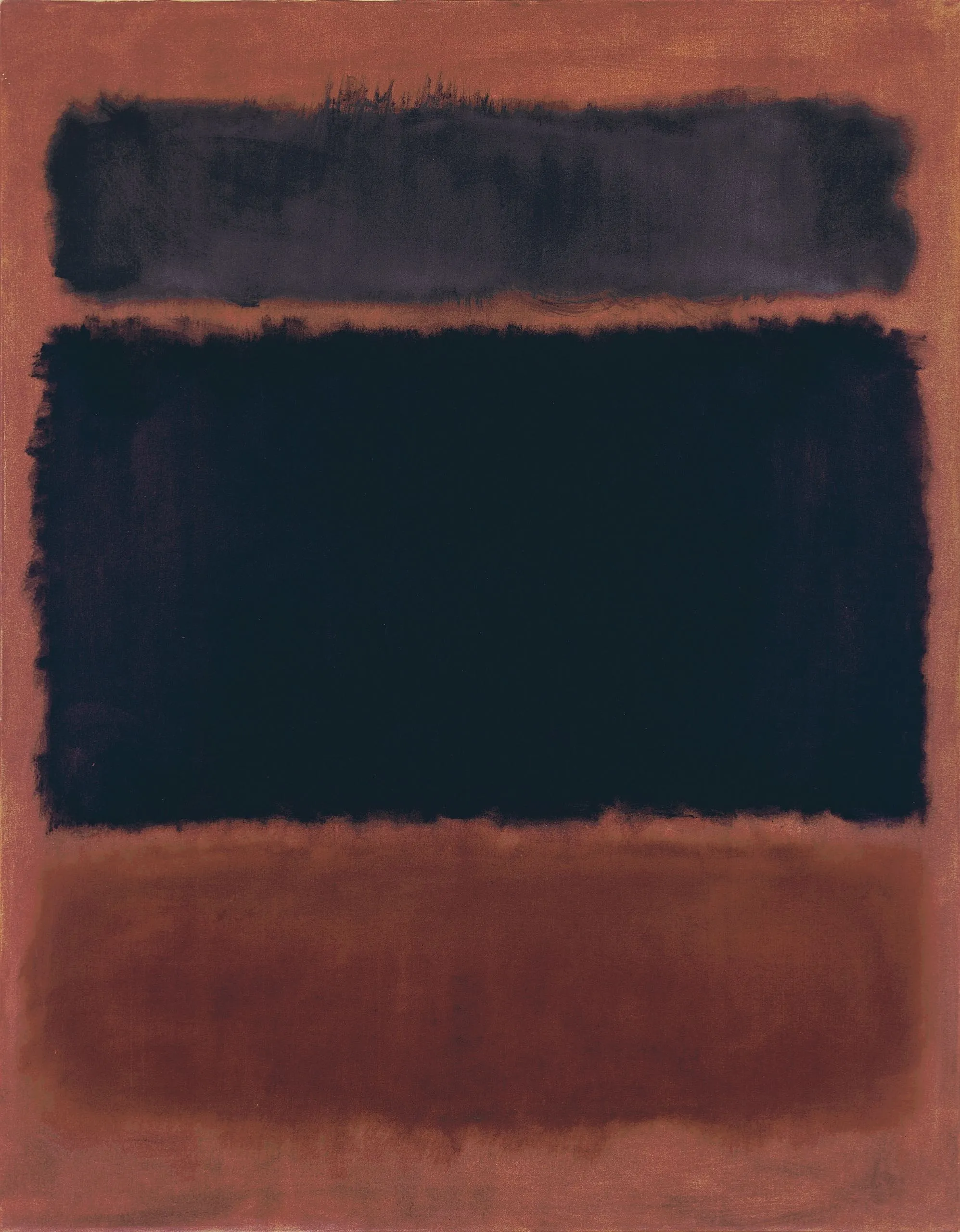
- Mark Rothko, Black in Deep Red (1957)
- Clyfford Still, PH-971 (1957)
In Class: we also discussed Willem de Kooning’s Excavation, which I’m adding here:

Excavation, painted on a 6-foot-by-8-foot canvas, was de Kooning’s largest painting through 1950.
Pop Art
Reading: Strickland, pp 172-176.
Reading: Ben Panko, “The Comic Artists Who Inspired Roy Lichtenstein Aren’t Too Thrilled About It,” Smithsonian Magazine, October 27, 2017.
Viewing: examples of Pop Art:


- Jasper Johns, Target with Four Faces (1955)
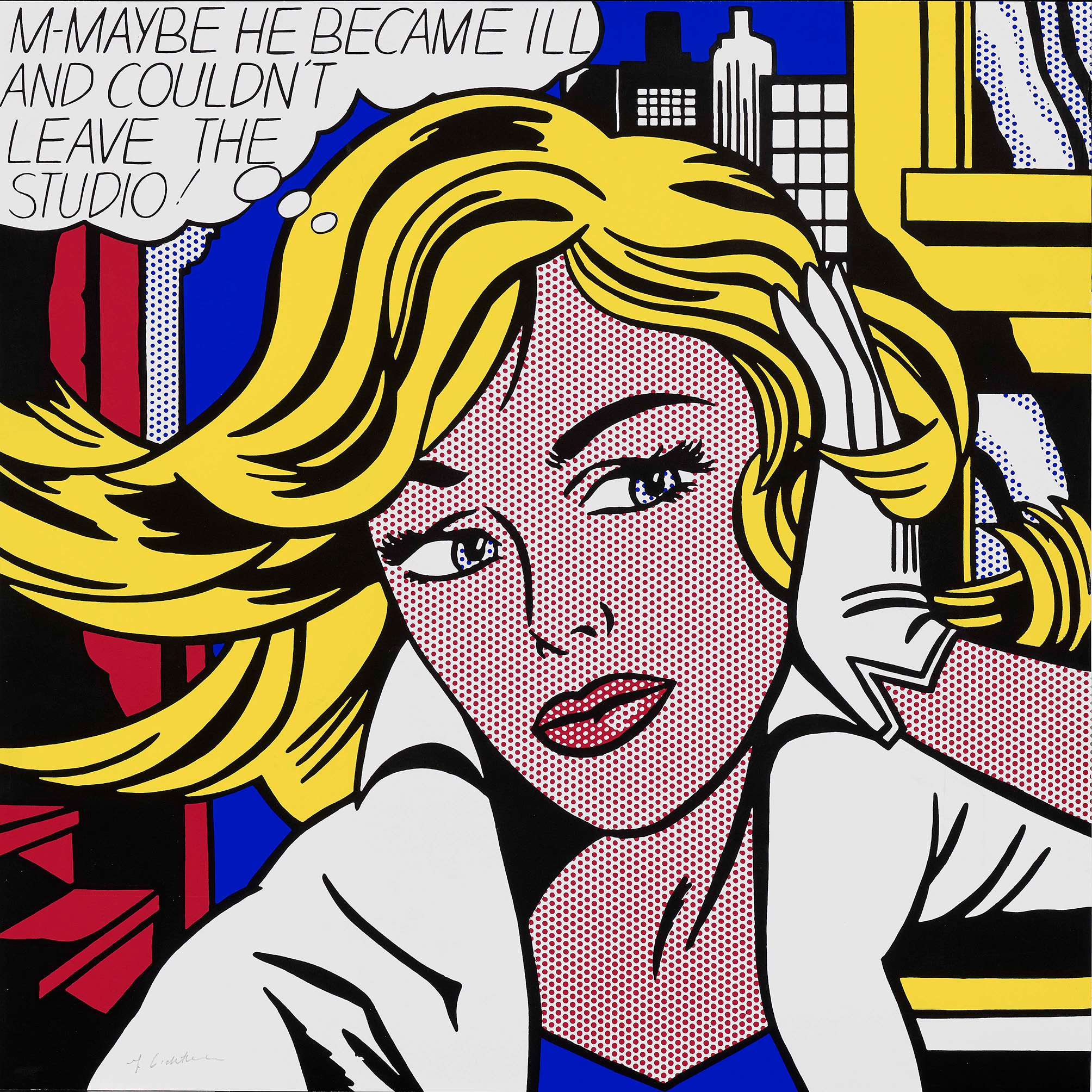
- Roy Lichtenstein, M-Maybe (1965)
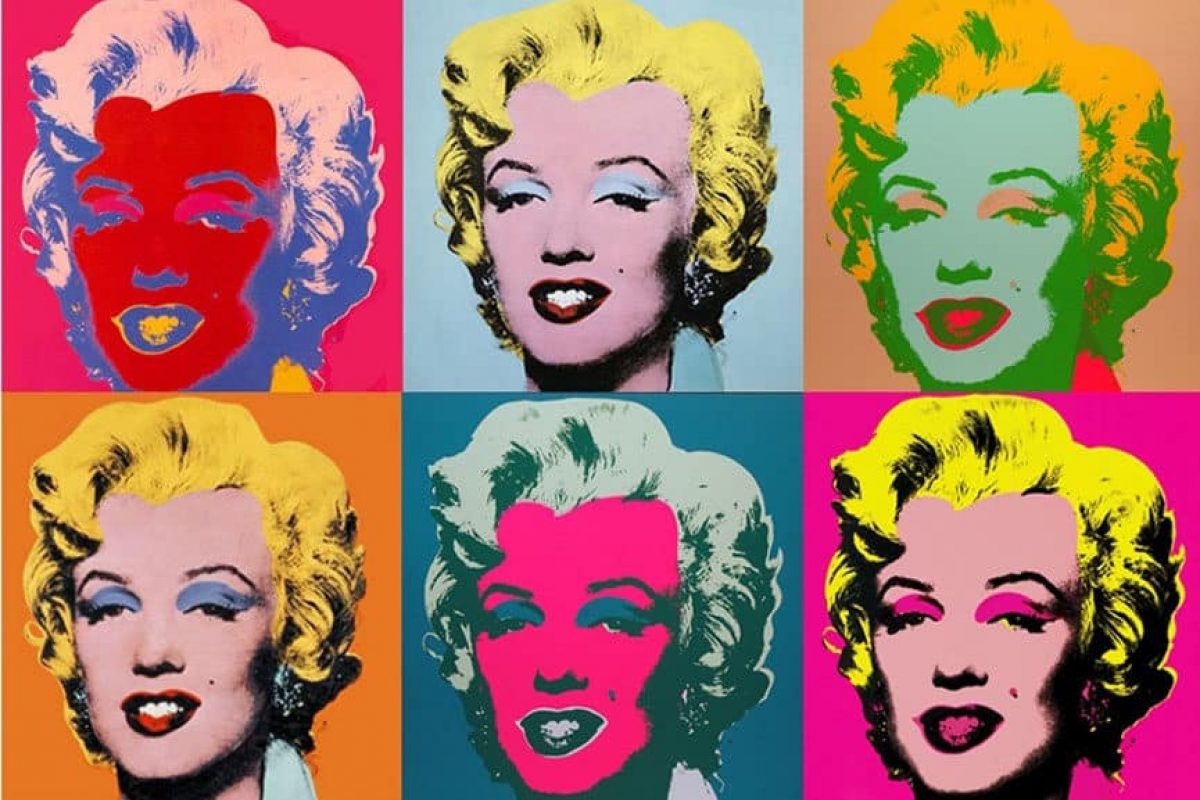
- Andy Warhol, Marilyn (1967)
- Claes Oldenburg, Clothespin (1976)
Writing: Respond to ONE of the following prompts. Keep your response short, posting as a reply under the appropriate heading in the comments section:
- Point out a key contrast OR continuity in the art featured above.
- Choose an artwork from today’s assignment that you find particularly engaging. Look at it for 3 minutes, then briefly describe your experience, pointing to particular details or visual qualities that helped produce that experience.