
This course examines key writers, artists, and artistic movements from 1800 to the present day. The semester’s readings reflect cultural crises and societal changes over the past 222 years. Three tipping points will serve as thematic foci: Imperialism, Alienation, and Consumerism. Assignments include learning trips to various sites of historical and cultural significance in and around London to emphasize the Humanities’ relevance beyond the classroom. This course fulfills a single unit in each of the following BU Hub areas: Aesthetic Exploration, Historical Consciousness, Critical Thinking.
Author Archives: henebry
Course Rules
Plagiarism is a very serious offense in this course, at CGS, and in the wider BU community. If you’re short on time, better that you ask for an extension than fail the assignment or (worse) get suspended.
Respect me and your fellow students during class. Keep your laptop closed and your eyes on whoever’s talking—or on the text we’re talking about. Focus on people are saying and join in the discussion with insights or questions of your own.
Attendance is essential to your engagement and learning—all the more so in a class with just 12 sessions. We will meet twice a week for a class period of two hours. In order to fulfill the required course contact hours and receive course credit, all Boston University students are expected to attend each and every class session. Attendance at all class meetings as well as required out-of-classroom trips, events, and performances is mandatory! For every unexcused absence from a mandatory class meeting, trip, or event, a student’s course grade will drop one full letter grade.
Course Materials
You will need one of the books from Hum 103, and two others. All can be purchased at at Amazon via the links provided:
- The Metamorphosis: A New Translation by Susan Bernofsky, (important that you purchase this translation!): link.
- H.G.Wells, The Island of Dr. Moreau, as required in Social Science.
- Carol Strickland, The Annotated Mona Lisa, 3rd edition: link.
Additional readings will be posted on on the course Blackboard page.
Grading
Grade Weighting as follows, weights out of 100 total:
- Museum Reflection (2-3 p) 15
- Theater Review (2-3 p) 15
- Final Exam (combined short answer & essay format) 35
- HW 25
- Class Participation 10
All assignments will contribute to the students’ mastery of the Aesthetic Expression, Historical Consciousness, and Critical Thinking HUB Requirements.
Attendance penalties, as noted in the Course Rules, above.
Participation
Active participation includes speaking up in class (but not dominating the conversation), attending office hours, volunteering to read aloud, & taking an active role in group activities. Unauthorized use of electronics (cell phone, computer, etc.), tardiness, disruptive behavior, forgetting to bring assigned readings, or lack of alertness will adversely affect your class participation.
HUB Capacities
Humanities 104 is designed to achieve the following learning outcomes, per the BU HUB.
Aesthetic Exploration:
- By surveying the art and literature of the past two centuries, this course introduces students to various modes of aesthetic exploration. In their homework, essays and exams, students will demonstrate both knowledge and appreciation of notable works of art and literature, including the cultural contexts in which those works were created, and will ponder their ongoing relevance.
- Through tests, written assignments, and in-class discussions, students will demonstrate the reasoning skills and vocabulary necessary to interpret works of art and literature.
- In class discussion and in their written work, students will evaluate and analyze a wide range of artistic modes, from lyric, narrative and painting to film and comic books; as well as a wide range of artistic styles, from realism to satire, surrealism, and expressionism.
Historical Consciousness:
- Students will learn to understand and evaluate artworks in their respective historical and cultural contexts. They will learn to use historical evidence in evaluating interpretations of artworks.
- Through exams, writing assignments, and in-class discussions, students will demonstrate an ability to interpret primary source material (textual, visual, or aural) using a range of interpretive skills and situating the material in its historical and cultural context.
- In surveying specific periods in the history of literature and the arts, students will demonstrate knowledge of various philosophical and religious traditions, intellectual paradigms, forms of political organization, and socio-economic forces. They will thereby learn how these have changed over time.
Critical Thinking:
- Students will be able to analyze various forms of argumentation and interpretation when learning to understand and evaluate artworks. They will identify key elements of critical thinking, including habits of distinguishing deductive from inductive modes of inference and recognizing common logical fallacies and cognitive biases. Students will learn to distinguish empirical claims about matters of fact from normative or evaluative judgments. Students will learn to apply theories and principles in interpreting and evaluating various artworks.
- Drawing on skills developed in class, students will be able to evaluate the validity of arguments and interpretations, including their own. Students will learn key concepts that cultivate critical thinking and rational discourse. They will also recognize the ways in which thinking about art may be shaped by values, moral character, and emotional responses.
Class 6.2
Final Exam
Class 6.1
Critiques of Consumerism
Over the last 100 years, consumerism has risen to become perhaps the most widespread answer to the problem of alienation and anomie. Though family, nationality and religion remain powerful sources of identity, we define ourselves to a considerable extent by what we purchase: if not particular brands or products, then hobbies, songs, and shows we cherish. Our final class session focuses on two responses to consumerism: street art and a powerful short story by George Saunders.
Class Prep: the Politics and Aesthetics of Street Art
The Politics and Aesthetics of Street Art
Viewing:
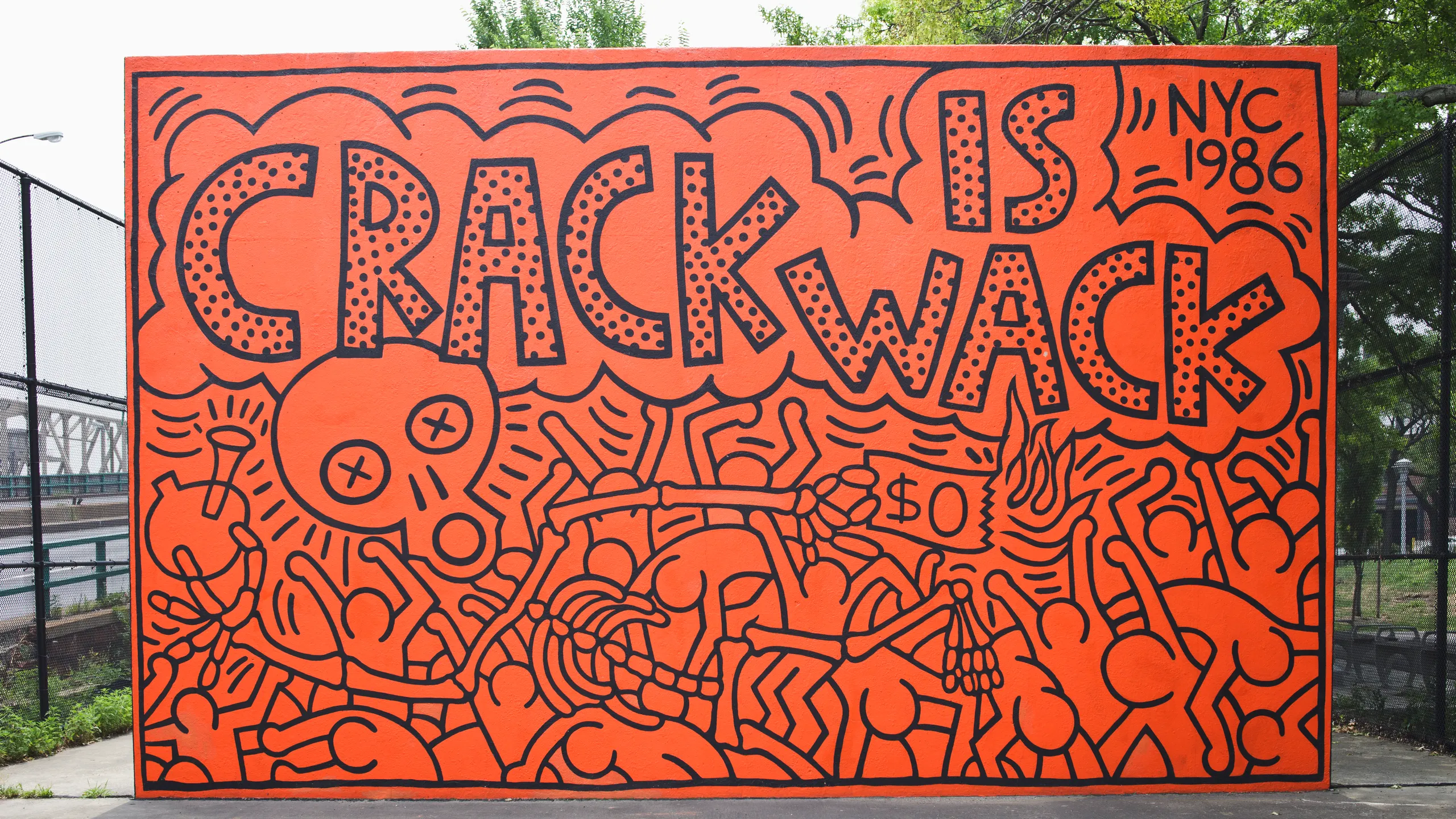
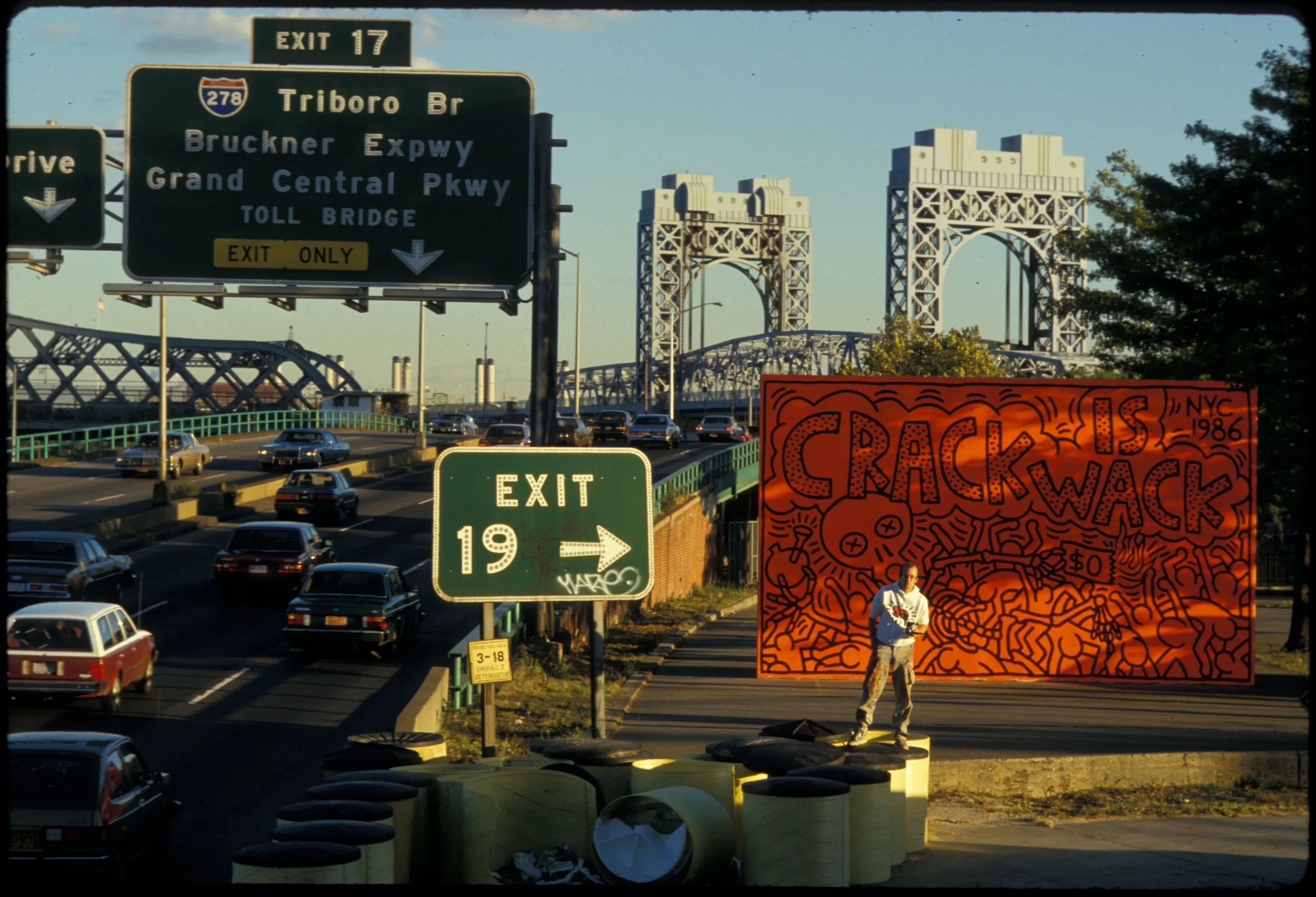


- Keith Haring, Crack is Wack (1986)
- Jean-Michel Basquiat, Melting Point of Ice (1984)
- Banksy, Parking (2010)
- Banksy, If Graffiti Changed Anything (2011)
Reading:
- Ana Bambic, “80’s Kings: Basquiat, Haring & Futura,” Widewalls Feb 13, 2014.
- “Banksy painting self destructs after $1.4 million sale,” CBS Evening News Oct 9, 2018.
Writing: Respond to ONE of the following prompts. Keep your response short, posting as a reply under the appropriate heading in the comments section:
- Point out a key contrast OR continuity in the street art featured above.
- Post a photo you took of street art here in London, then comment on how it draws upon or violates the tradition shown above.
Class Prep: Barbie and Consumerism
Purchasing Identity with Barbie and Ken
In 2024 I attended an exhibit on the history of the Barbie line of dolls and toys. It struck me as an instructive example of consumerism, for good and for bad.
Viewing:
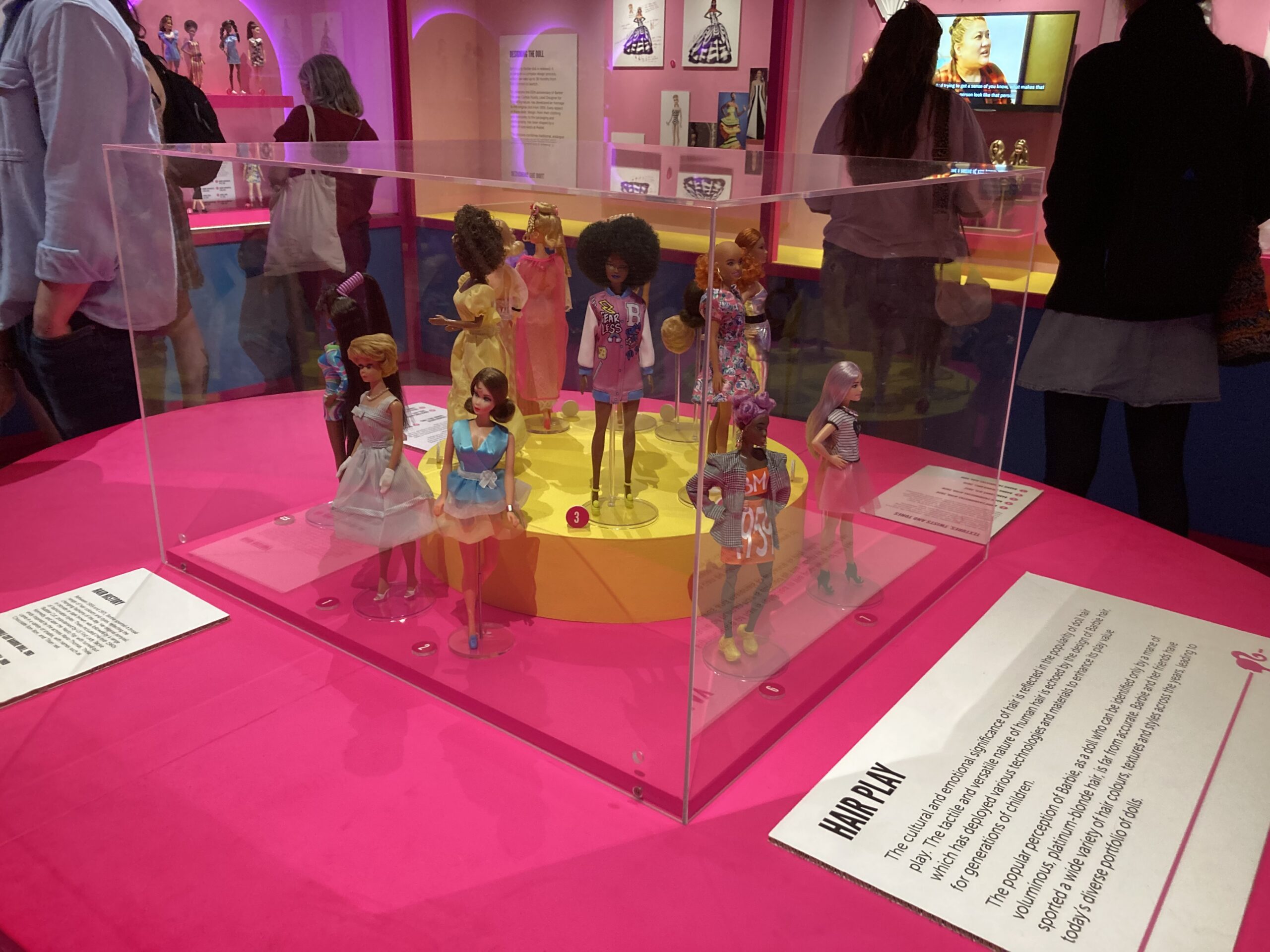
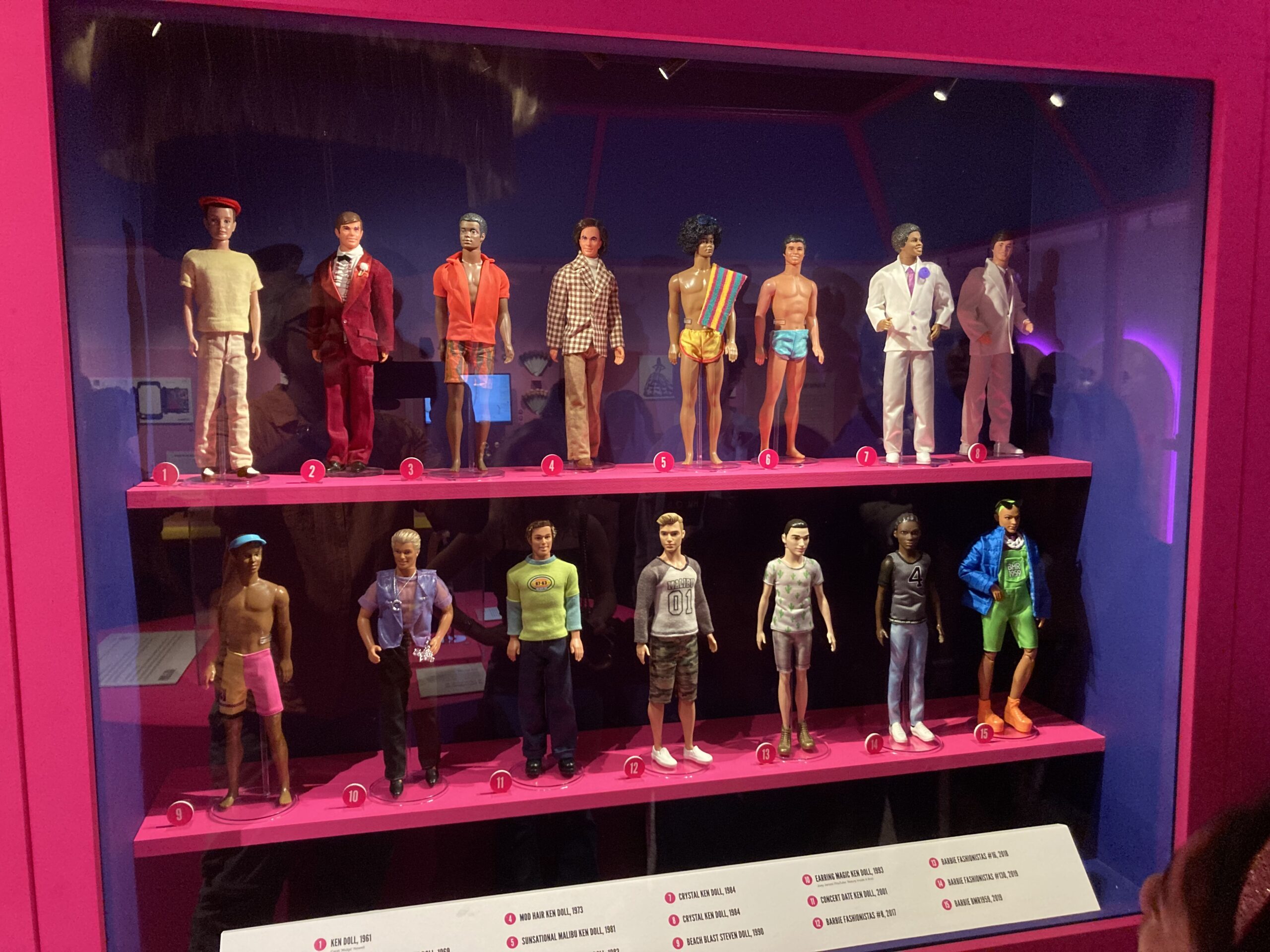
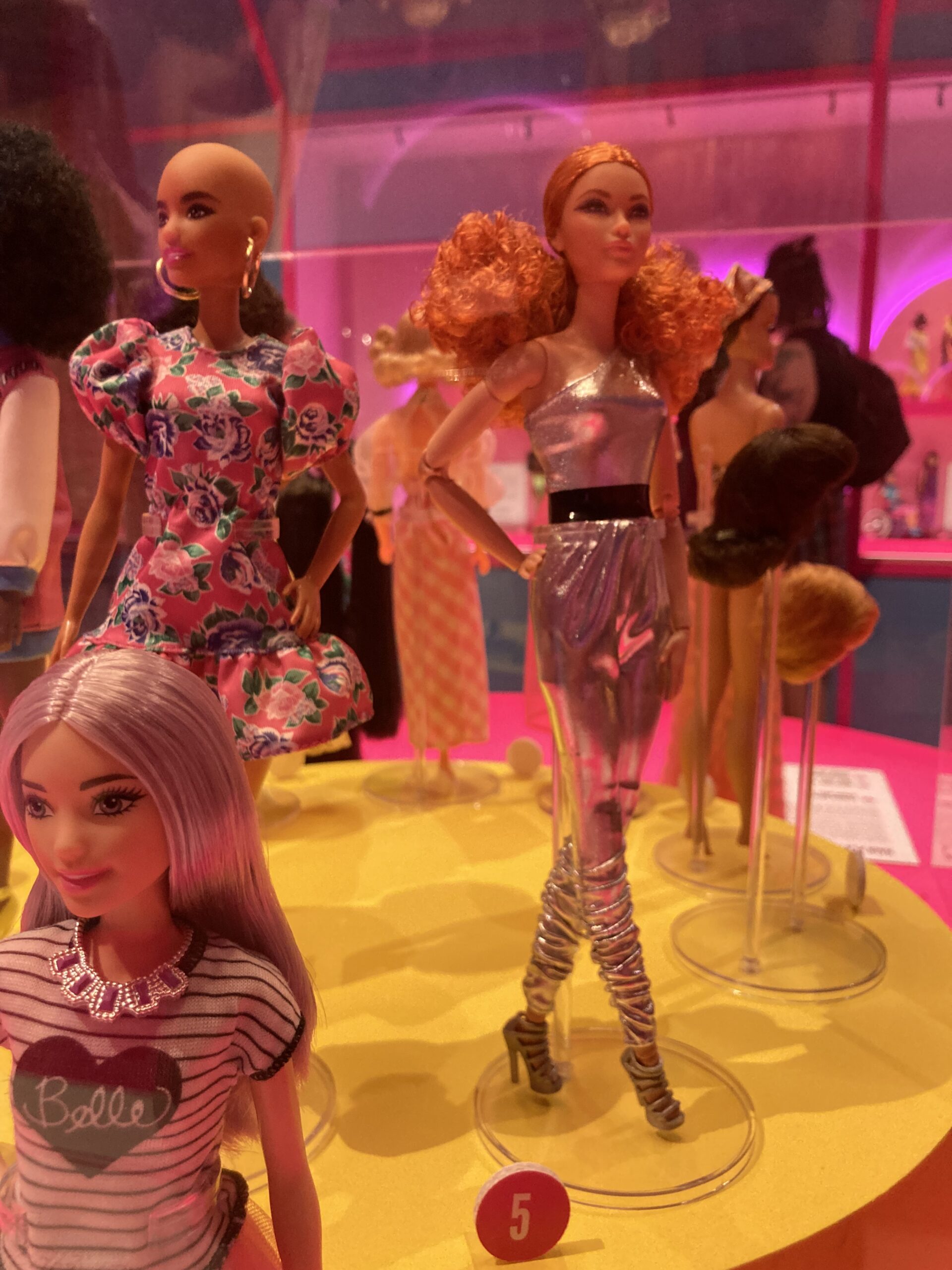
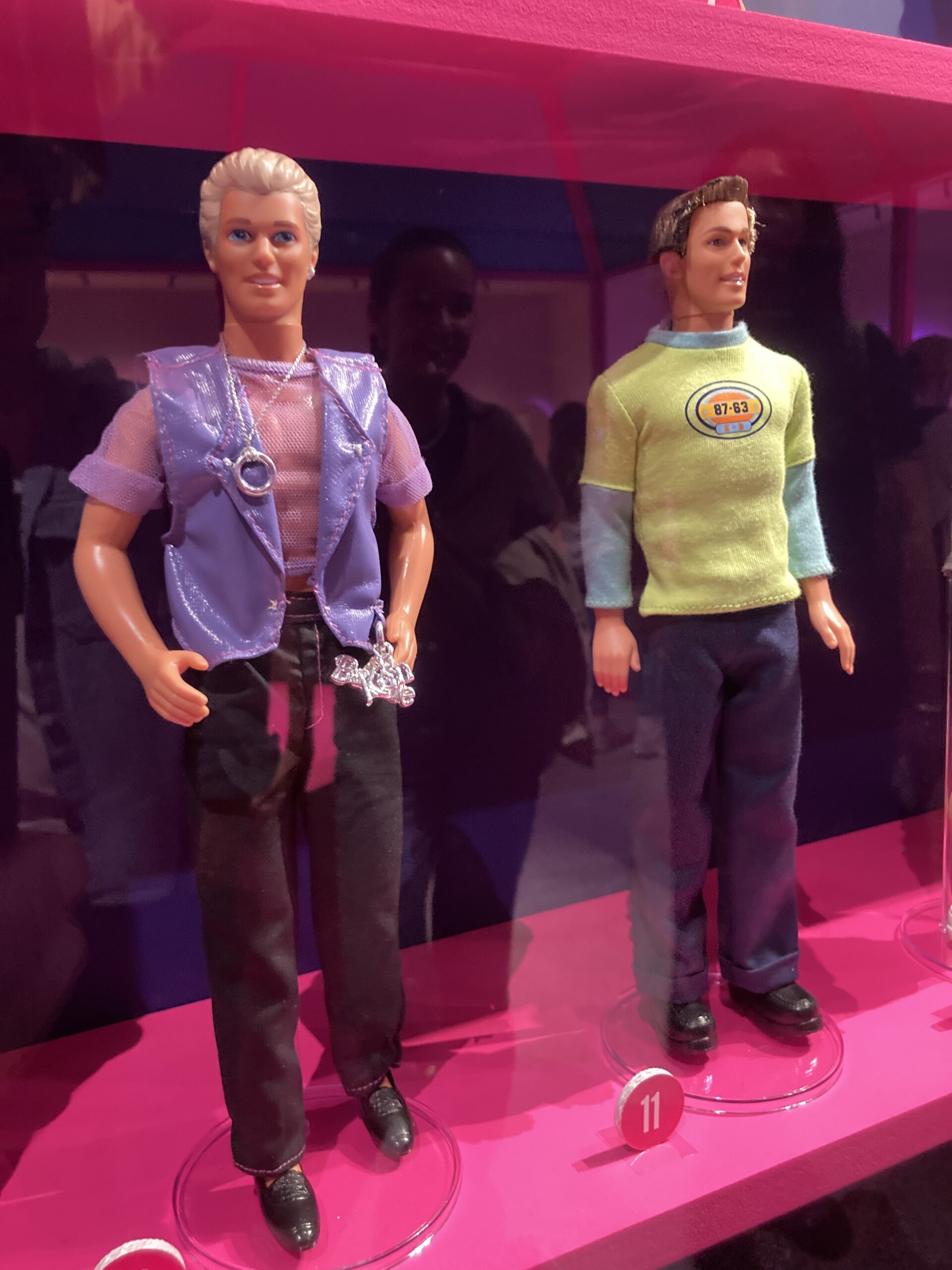

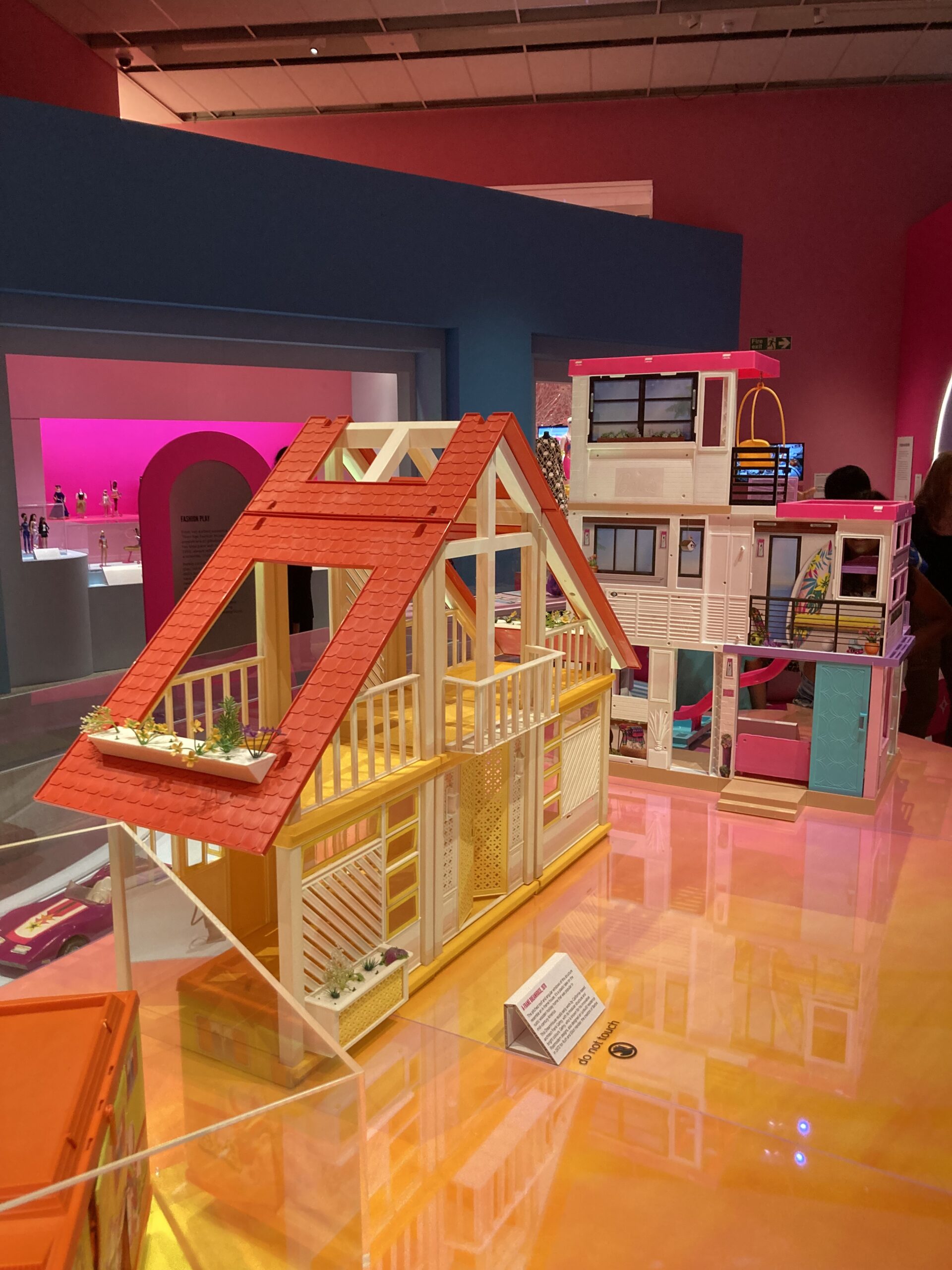
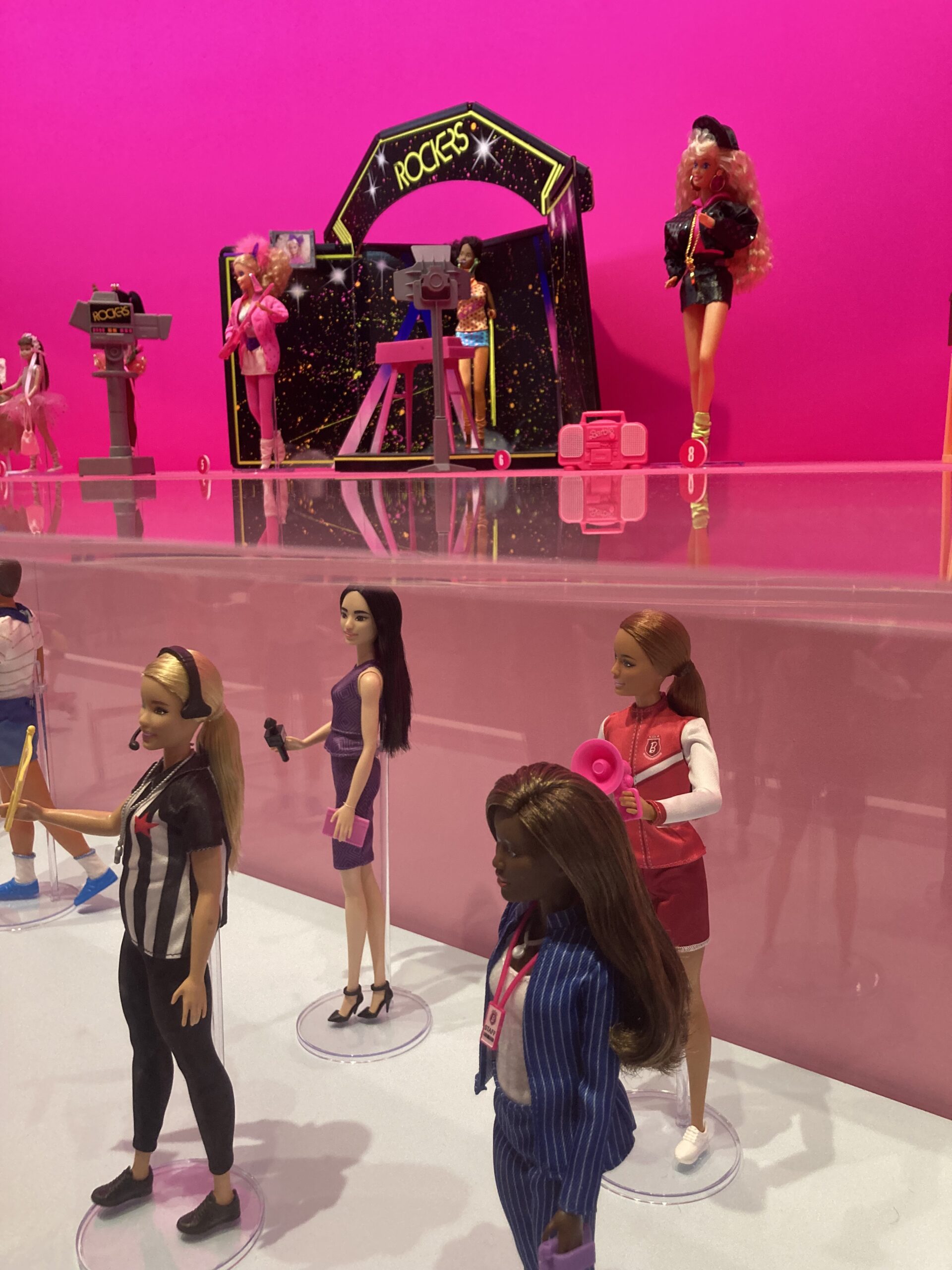
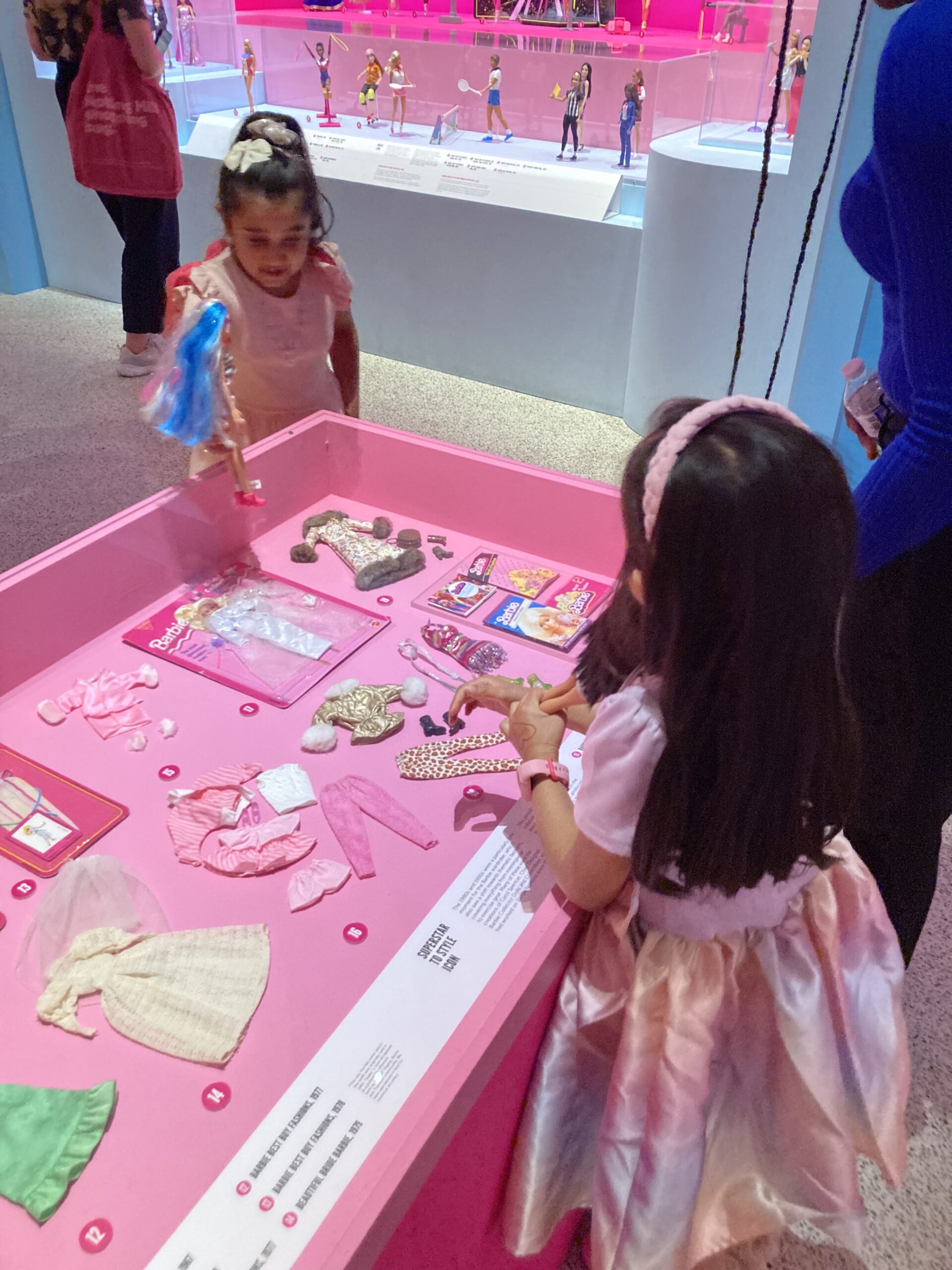
No HW, but come to class having thought a bit about how kids play with Barbie and similar toys. What fantasies do these toys embody? What ideology do they deploy?
Class 5.2
The Consensus Topples
Nowadays, we think of the American political divide in geographical terms. While geography played a part in the rift that opened up in the 1960s, back then they tended to think of it in terms of age: a generation gap between conformist adults and youthful activists. That gap found expression in sexual mores, in drug use, and in musical taste as well as in politics.
Class Prep: Beat Poetry
Beat Poetry
 Together with Jack Kerouac and William Burroughs, Alan Ginsberg was a founding member of the Beat Generation in the late 1950s. The Beats questioned the certitudes of consensus liberalism, highlighting the spiritual poverty of consumer culture. Many of the cultural trends we associate with the late 1960s, from free love to drug use, were initially explored by Beat writers and artists. Ten years later, Ginsberg served as an elder statesman to the Hippies of Haight-Ashbury in San Francisco during the Summer of Love (1968).
Reading:
- Alan Ginsberg, Howl (1956) (link). Note: you may find it valuable to listen to Ginsberg read his poem, in a 1959 recording: YouTube.
- Alan Ginsberg, “Footnote to Howl,” printed on the page immediately following: link.
Writing: Respond to ONE of the following prompts. Keep your response short, posting as a reply under the appropriate heading in the comments section:
- Quote and respond to a striking image or phrase from the poem.
- The poem opens with something like a howl. But what’s the emotional valence of this howl: rage? joy? something else? Explain your answer by quotation of a key line or phrase.
- How does the poem’s emotional valence shift in its later sections? In your answer, feel free to focus on any one of the later sections, including the “Footnote.” Explain your answer by quotation of a key line or phrase.
Class Prep: Art and Activism
Artistic Transformation and Political Activism
Viewing: Corita Kent:


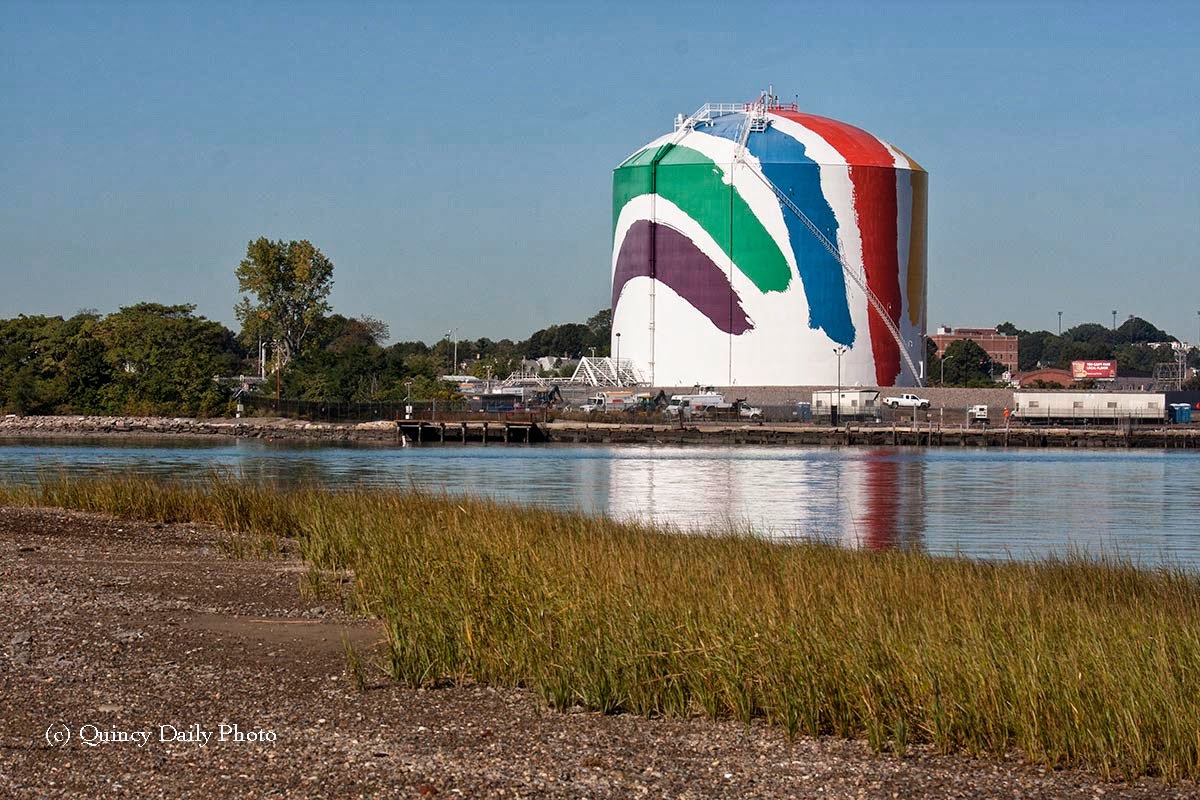

- Corita Kent, that they may have life (1964)
- Corita Kent, Rainbow Swash (1971)
- Corita Kent, Love stamp (1985)
Viewing: Jasper Johns, Flag Paintings:

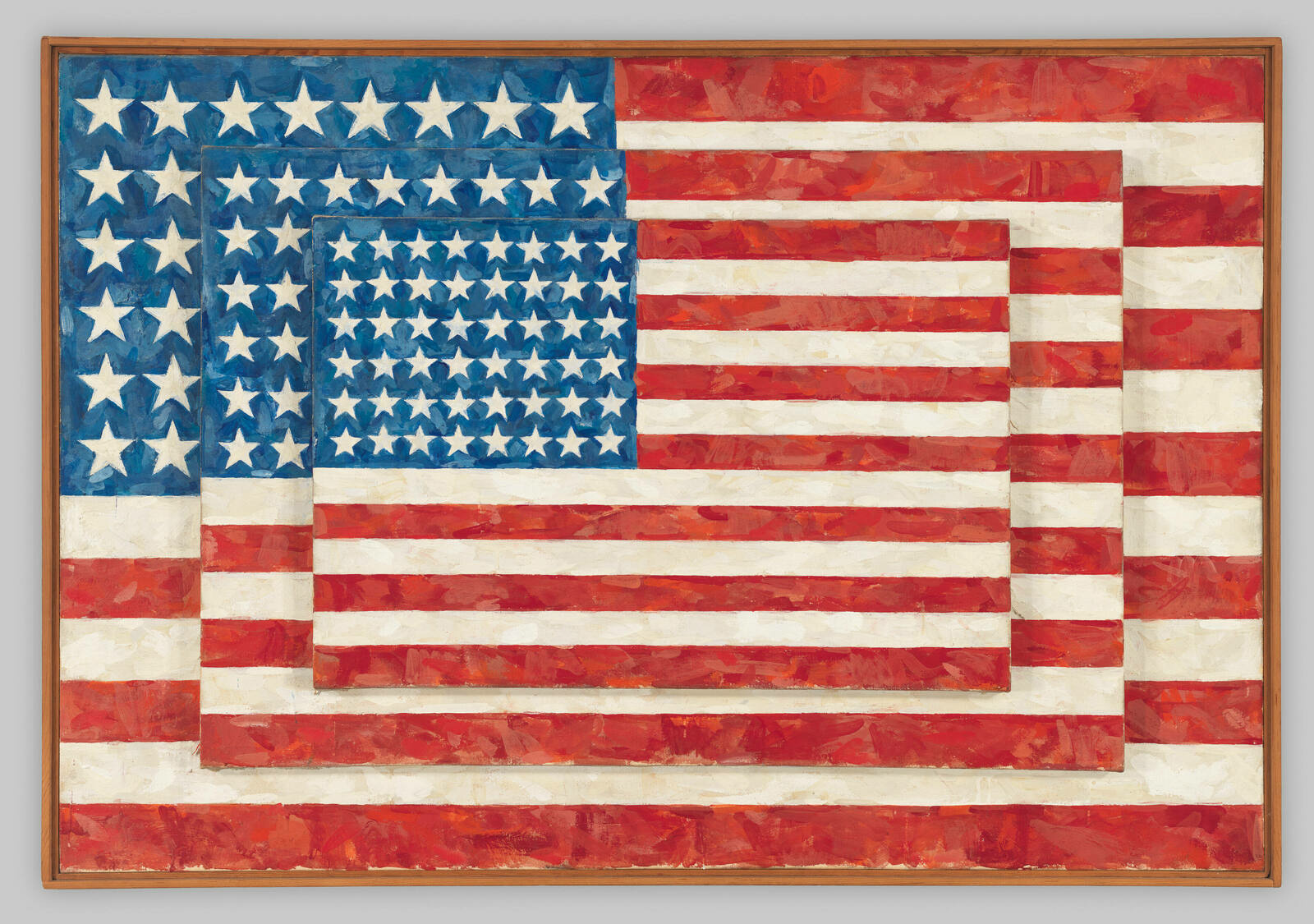

- Jasper Johns, Flag (1954)
- Jasper Johns, Threee Flags (1958)
- Jasper Johns, Flag Moratorium (1969)
Viewing: Jimi Hendrix, “Star Spangled Banner” (leads into “Purple Haze”) performed at Woodstock, Aug 1969.
Writing: Respond to ONE of the following prompts. Keep your response short, posting as a reply under the appropriate heading in the comments section:
- Many of these artworks rework preexisting culture. Focusing on one in particular, give a rich description of what it adds, subtracts, or otherwise does to transform the original.
- Identify one of these pieces that strikes you as turning non-art into art. What’s at stake, culturally, in this act of transformation?
- Identify one of these pieces that strikes you as voicing a political message. What’s the message, and how is it being voiced?
Class 5.1
The Postwar Liberal Consensus
We live today in a nation riven nearly in two by a deep cultural and political divide. So it’s hard to imagine that the 1950s and early 60s were characterized by the opposite state of affairs. “It was an age of consensus,” writes Geoffrey Hodgson in his seminal 1976 history, America In Our Time. That consensus was ideologically liberal in the sense of believing in freedom and the future, but conservative in its complacent insistence that America had the rest of the world beat when it came to just about everything. The ideology of the liberal consensus drew in part upon the strength of the American economy in the wake of WWII. And it relied upon a willful blindness to the treatment of women and minorities.
Today we’re looking at a range of artifacts that reflect that era of consensus, even as some of them work to push the envelope. And in the next class we’ll see how the consensus foundered in the final years of the 1960s, overtaken by youthful activists who called for a more thoroughgoing rethinking of America, from antiwar activists to Black Panthers to Women’s Libbers to the Stonewall rioters.
Class Prep: Postwar American Art
Art in America After the War
New York became the art capital of the world after World War II. In the run-up to the war, artists of the avant-garde fled Europe for the safety of America. But the shift also reflected America’s rise in the world, not to mention the confidence of its often experimental artists.
Abstract Expressionism
Reading: Strickland, pp 158-161, 166.
Reading: Alastair Sooke, “Was modern art a weapon of the CIA?” BBC.com, Oct 4, 2016.
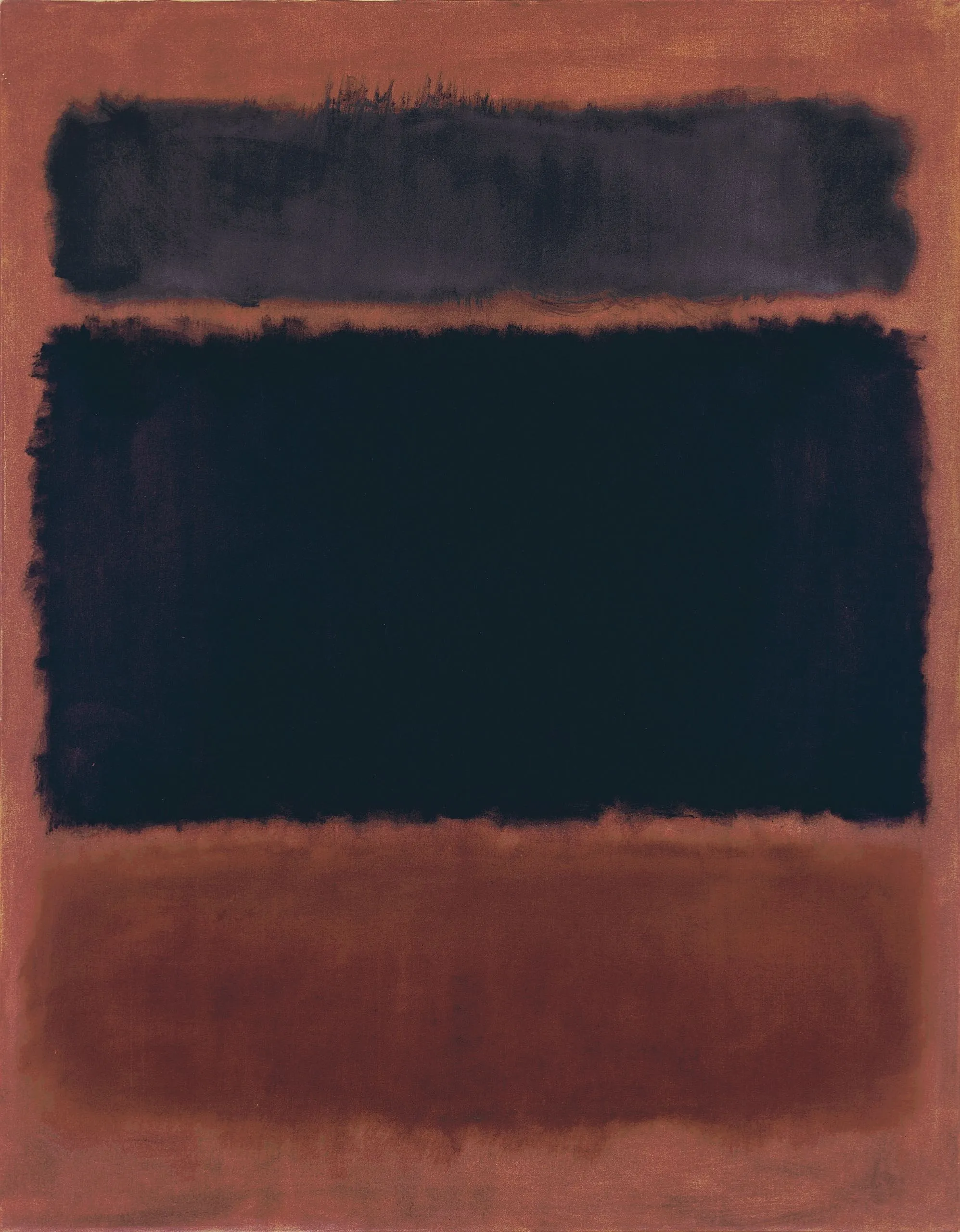
Viewing: examples of Abstract Expressionism:



- Willem de Kooning, Woman/Verso: Untitled (1948)
- Jackson Pollock, One: Number 31 (1950) (check out this brief MOMA video)
- Mark Rothko, Black in Deep Red (1957)
- Clyfford Still, PH-971 (1957)
In Class: we also discussed Willem de Kooning’s Excavation, which I’m adding here:

Excavation, painted on a 6-foot-by-8-foot canvas, was de Kooning’s largest painting through 1950.
Pop Art
Reading: Strickland, pp 172-176.
Reading: Ben Panko, “The Comic Artists Who Inspired Roy Lichtenstein Aren’t Too Thrilled About It,” Smithsonian Magazine, October 27, 2017.
Viewing: examples of Pop Art:

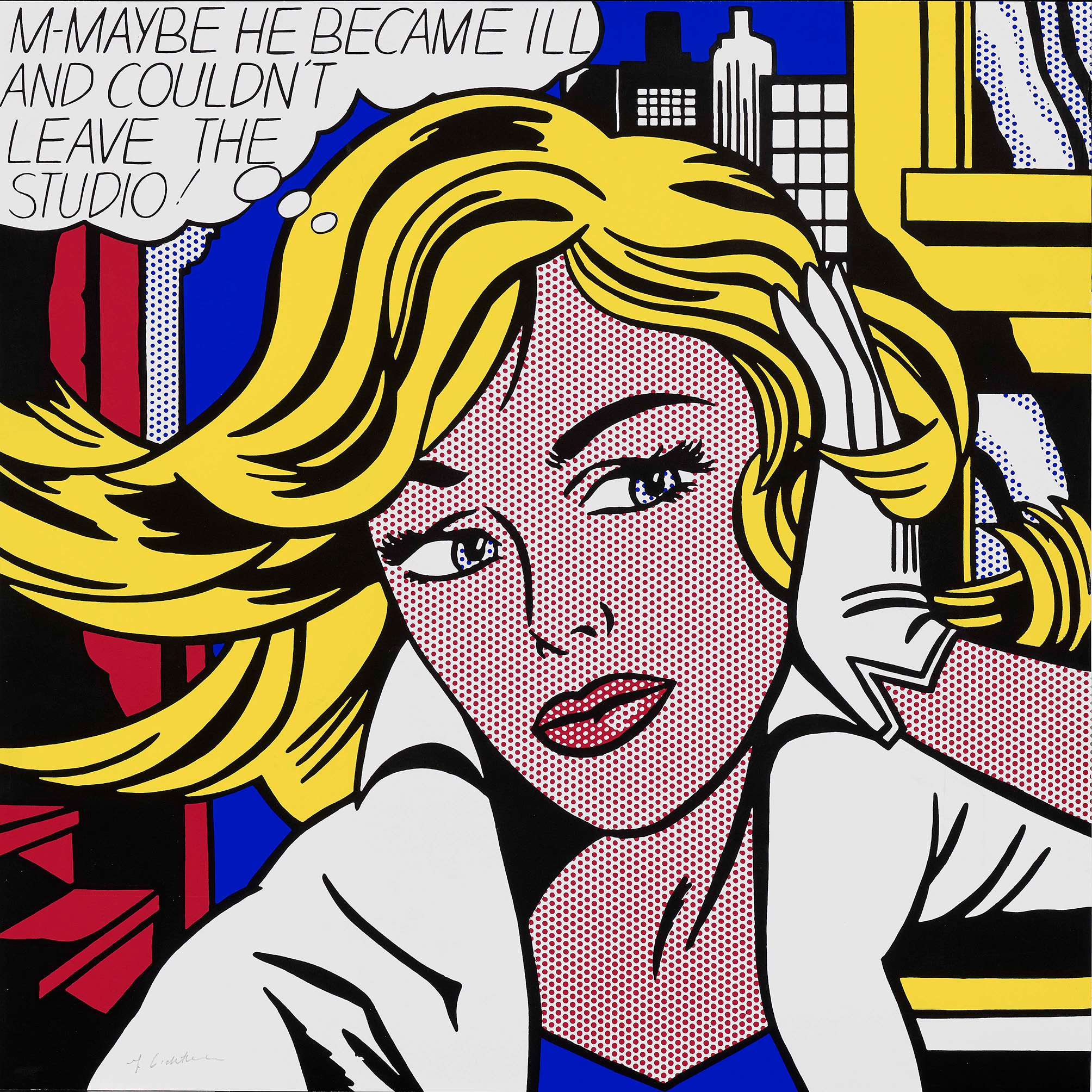
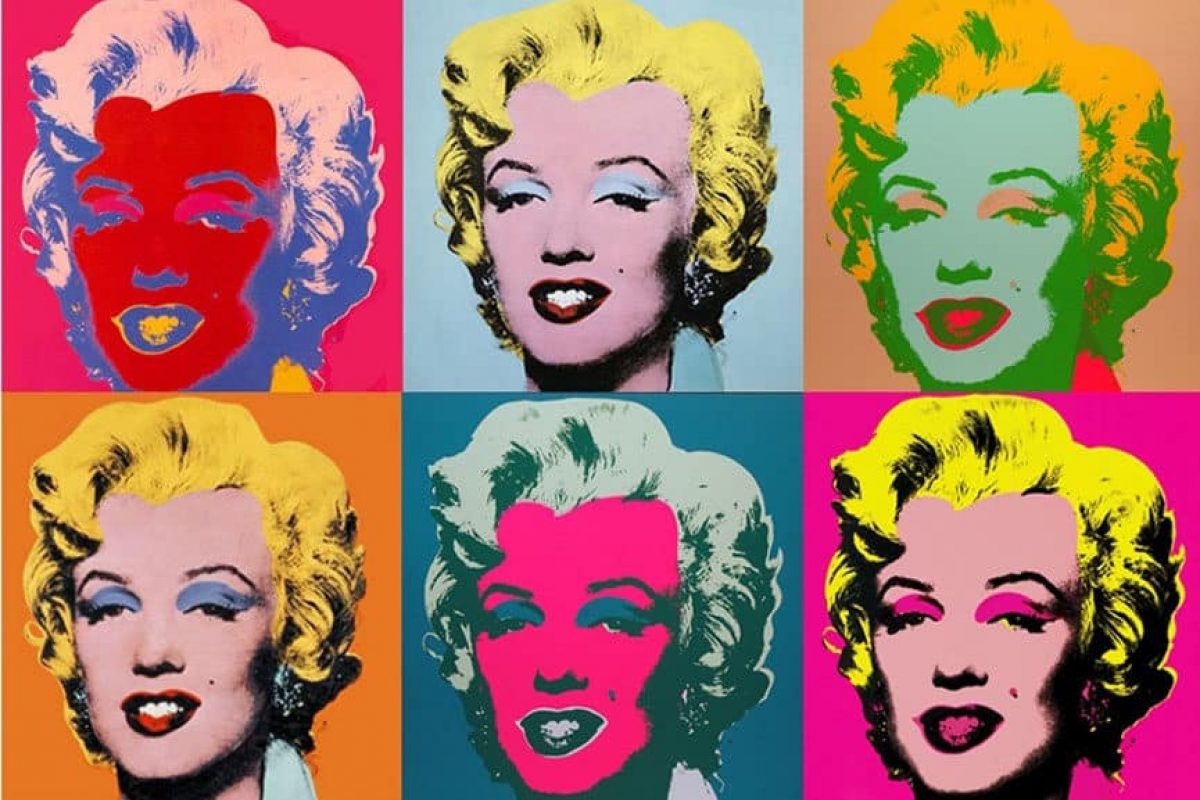

- Jasper Johns, Target with Four Faces (1955)
- Roy Lichtenstein, M-Maybe (1965)
- Andy Warhol, Marilyn (1967)
- Claes Oldenburg, Clothespin (1976)
Writing: Respond to ONE of the following prompts. Keep your response short, posting as a reply under the appropriate heading in the comments section:
- Point out a key contrast OR continuity in the art featured above.
- Choose an artwork from today’s assignment that you find particularly engaging. Look at it for 3 minutes, then briefly describe your experience, pointing to particular details or visual qualities that helped produce that experience.
Class Prep: A Tale of Two Panthers
The First Black Superhero
 The Black Panther made his debut on the cover of the July 1966 issue of Fantastic Four: an agile, black-garbed human figure springing triumphantly above the titular characters, who were busy exploring a strange and tangled jungle of circuitry. In a curious historical coincidence, Stan Lee and Jack Kirby invented the character around the same moment as activists working to get out the Black vote in Lowndes County, Alabama, adopted a black panther as their logo. A few months later, in October 1966, that logo inspired the formation of the Black Panther Party for Self-Defense in Oakland, California.
While Marvel’s Black Panther proved popular with readers, his fame was soon eclipsed by the Party, when Black Panthers entered the California State Capitol, fully armed, to protest a proposed change in gun regulations. They made it as far as the floor of the Assembly chamber before being disarmed and escorted from the building.  Party members would later claim that the group did not intend to commandeer the legislative process that day, but merely took a wrong turn on their way to the visitors gallery. Blunder or not, the optics of an armed coup were irresistible to the news media: “Capitol Is Invaded,” ran the full-width banner headline on the Sacramento Bee’s front page. Keep this context in mind as you read the two-issue story that introduced Marvel’s Black Panther.
Reading: Stan Lee and Jack Kirby, “The Black Panther” and “The Way It Began,” Fantastic Four #52 & #53.
Writing: Respond to ONE of the following prompts. Keep your response short, posting as a reply under the appropriate heading in the comments section:
- Can this comic-book hero be seen as an exponent of “Black Power”? Focus our attention on a particular image or plot event as evidence.
- Does this comic book confirm colonialist stereotypes about Africa? Or does it problematize them? Focus our attention on a particular image or plot event as evidence.
Class 4.2
The Case for Fighting Hitler
In retrospect, it’s hard to believe that there ever was a time when Americans weren’t eager to join the war against Hitler. Nowadays Nazis are the go-to enemy in movies and videogames, and WWII is regarded (by contrast to Vietnam, Afghanistan and Iraq) as the “Good War.” But Isolationism was a powerful political force in the 1930s and early 40s, campaigning under the banner of “America First!”
The following comics and movies all have a strong political bent. Does this make them propaganda, despite not being created under government sponsorship? If they are propaganda, does that make them bad art?