
Jul 29
The Postwar Liberal Consensus
We live today in a nation riven nearly in two by a deep cultural and political divide. So it’s hard to imagine that the 1950s and early 60s were characterized by the opposite state of affairs. “It was an age of consensus,” writes Geoffrey Hodgson in his seminal 1976 history, America In Our Time. That consensus was ideologically liberal in the sense of believing in freedom and the future, but conservative in its complacent insistence that America had the rest of the world beat when it came to just about everything. The ideology of the liberal consensus drew in part upon the strength of the American economy in the wake of WWII. And it relied upon a willful blindness to the treatment of women and minorities.
Today we’re looking at a range of artifacts that reflect that era of consensus, even as some of them work to push the envelope. And in the next class we’ll see how the consensus foundered in the final years of the 1960s, overtaken by youthful activists who called for a more thoroughgoing rethinking of America, from antiwar activists to Black Panthers to Women’s Libbers to the Stonewall rioters.
Art in America After the War
New York became the art capital of the world after World War II. In the run-up to the war, artists of the avant-garde fled Europe for the safety of America. But the shift also reflected America’s rise in the world, not to mention the confidence of its often experimental artists.
Abstract Expressionism
Reading: Strickland, pp 158-161, 166.
Reading: Alastair Sooke, “Was modern art a weapon of the CIA?” BBC.com, Oct 4, 2016.
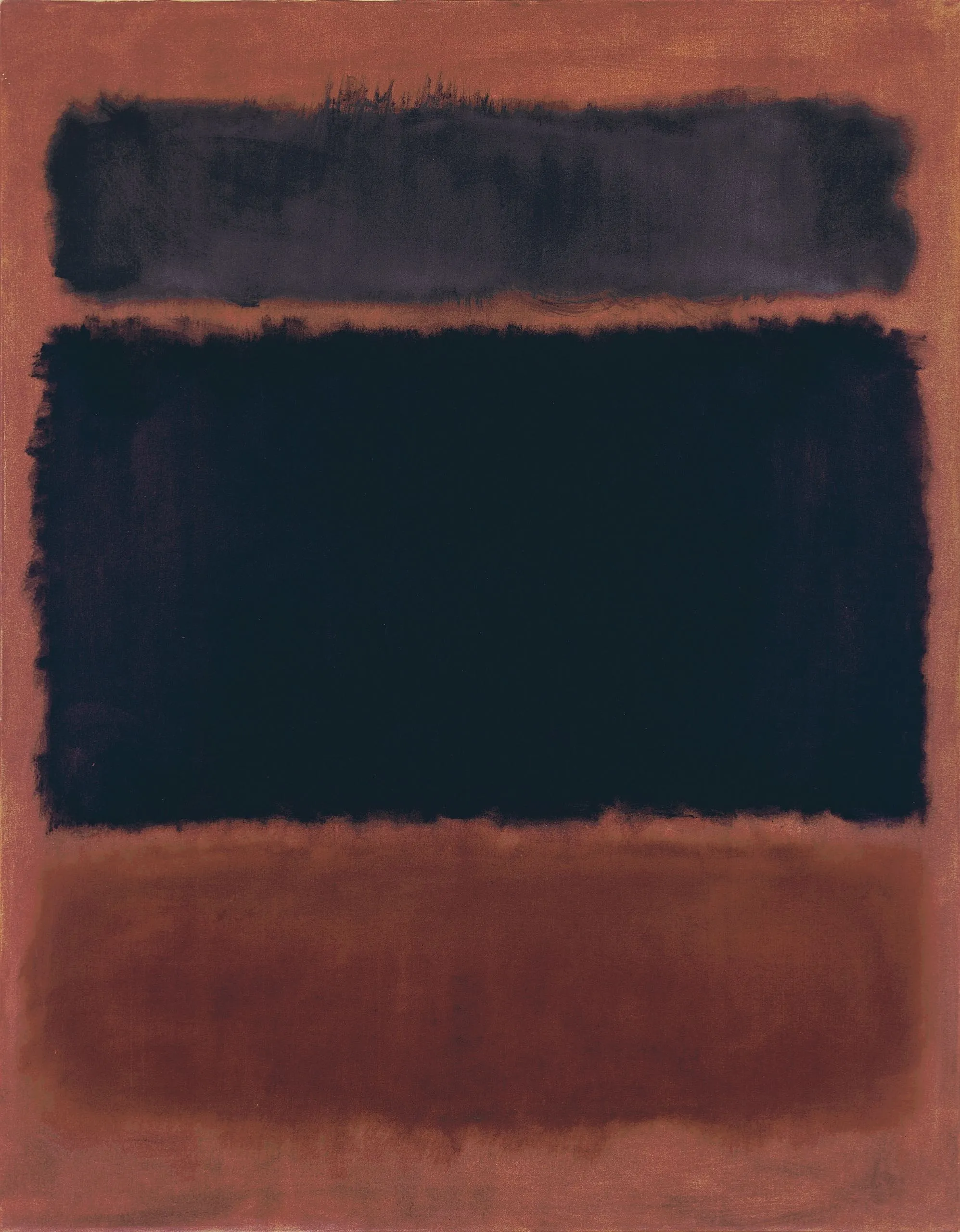
Viewing: examples of Abstract Expressionism:



- Willem de Kooning, Woman/Verso: Untitled (1948)
- Jackson Pollock, One: Number 31 (1950) (check out this brief MOMA video)
- Mark Rothko, Black in Deep Red (1957)
- Clyfford Still, PH-971 (1957)
In Class: we also discussed Willem de Kooning’s Excavation, which I’m adding here:

Excavation, painted on a 6-foot-by-8-foot canvas, was de Kooning’s largest painting through 1950.
Pop Art
Reading: Strickland, pp 172-176.
Reading: Ben Panko, “The Comic Artists Who Inspired Roy Lichtenstein Aren’t Too Thrilled About It,” Smithsonian Magazine, October 27, 2017.
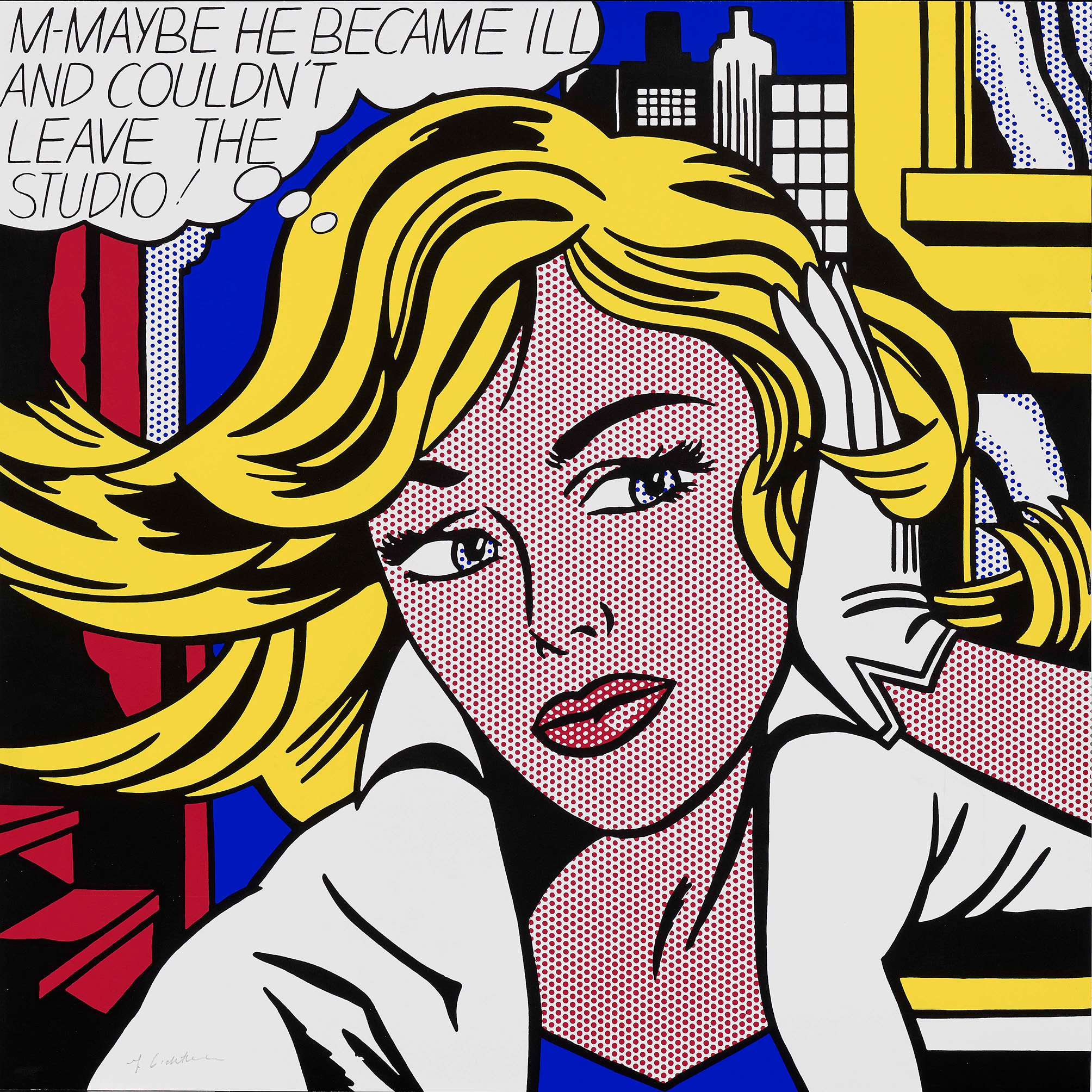
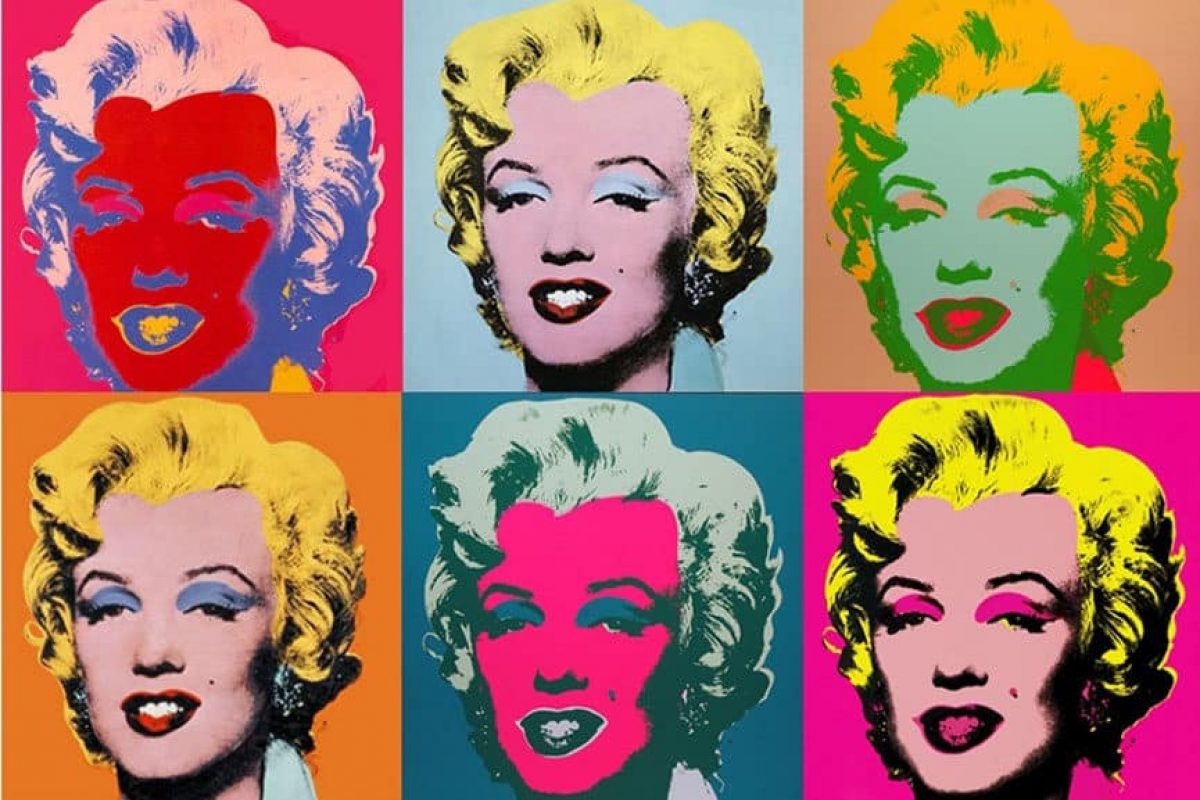
Viewing: examples of Pop Art:


- Jasper Johns, Target with Four Faces (1955)
- Roy Lichtenstein, M-Maybe (1965)
- Andy Warhol, Marilyn (1967)
- Claes Oldenburg, Clothespin (1976)
Writing: Respond to ONE of the following prompts. Keep your response short, posting as a reply under the appropriate heading in the comments section:
- Point out a key contrast OR continuity in the art featured above.
- Choose an artwork from today’s assignment that you find particularly engaging. Look at it for 3 minutes, then briefly describe your experience, pointing to particular details or visual qualities that helped produce that experience.
The First Black Superhero
 The Black Panther made his debut on the cover of the July 1966 issue of Fantastic Four: an agile, black-garbed human figure springing triumphantly above the titular characters, who were busy exploring a strange and tangled jungle of circuitry. In a curious historical coincidence, Stan Lee and Jack Kirby invented the character around the same moment as activists working to get out the Black vote in Lowndes County, Alabama, adopted a black panther as their logo. A few months later, in October 1966, that logo inspired the formation of the Black Panther Party for Self-Defense in Oakland, California.
While Marvel’s Black Panther proved popular with readers, his fame was soon eclipsed by the Party, when Black Panthers entered the California State Capitol, fully armed, to protest a proposed change in gun regulations. They made it as far as the floor of the Assembly chamber before being disarmed and escorted from the building.  Party members would later claim that the group did not intend to commandeer the legislative process that day, but merely took a wrong turn on their way to the visitors gallery. Blunder or not, the optics of an armed coup were irresistible to the news media: “Capitol Is Invaded,” ran the full-width banner headline on the Sacramento Bee’s front page. Keep this context in mind as you read the two-issue story that introduced Marvel’s Black Panther.
Reading: Stan Lee and Jack Kirby, “The Black Panther” and “The Way It Began,” Fantastic Four #52 & #53.
Writing: Respond to ONE of the following prompts. Keep your response short, posting as a reply under the appropriate heading in the comments section:
- Can this comic-book hero be seen as an exponent of “Black Power”? Focus our attention on a particular image or plot event as evidence.
- Does this comic book confirm colonialist stereotypes about Africa? Or does it problematize them? Focus our attention on a particular image or plot event as evidence.
Contrasts & Continuities in Postwar Art
⤹Click the reply button just below.
Meditations on one of these artworks
⤹Click the reply button just below.
Marvel’s Black Panther and “Black Power”
⤹Click the reply button just below.
Marvel’s Black Panther and Africa
⤹Click the reply button just below.