Jul 31
The Consensus Topples
Nowadays, we think of the American political divide in geographical terms. While geography played a part in the rift that opened up in the 1960s, back then they tended to think of it in terms of age: a generation gap between conformist adults and youthful activists. That gap found expression in sexual mores, in drug use, and in musical taste as well as in politics.
Beat Poetry
 Together with Jack Kerouac and William Burroughs, Alan Ginsberg was a founding member of the Beat Generation in the late 1950s. The Beats questioned the certitudes of consensus liberalism, highlighting the spiritual poverty of consumer culture. Many of the cultural trends we associate with the late 1960s, from free love to drug use, were initially explored by Beat writers and artists. Ten years later, Ginsberg served as an elder statesman to the Hippies of Haight-Ashbury in San Francisco during the Summer of Love (1968).
Reading:
- Alan Ginsberg, Howl (1956) (link). Note: you may find it valuable to listen to Ginsberg read his poem, in a 1959 recording: YouTube.
- Alan Ginsberg, “Footnote to Howl,” printed on the page immediately following: link.
Writing: Respond to ONE of the following prompts. Keep your response short, posting as a reply under the appropriate heading in the comments section:
- Quote and respond to a striking image or phrase from the poem.
- The poem opens with something like a howl. But what’s the emotional valence of this howl: rage? joy? something else? Explain your answer by quotation of a key line or phrase.
- How does the poem’s emotional valence shift in its later sections? In your answer, feel free to focus on any one of the later sections, including the “Footnote.” Explain your answer by quotation of a key line or phrase.
Artistic Transformation and Political Activism
Viewing: Corita Kent:


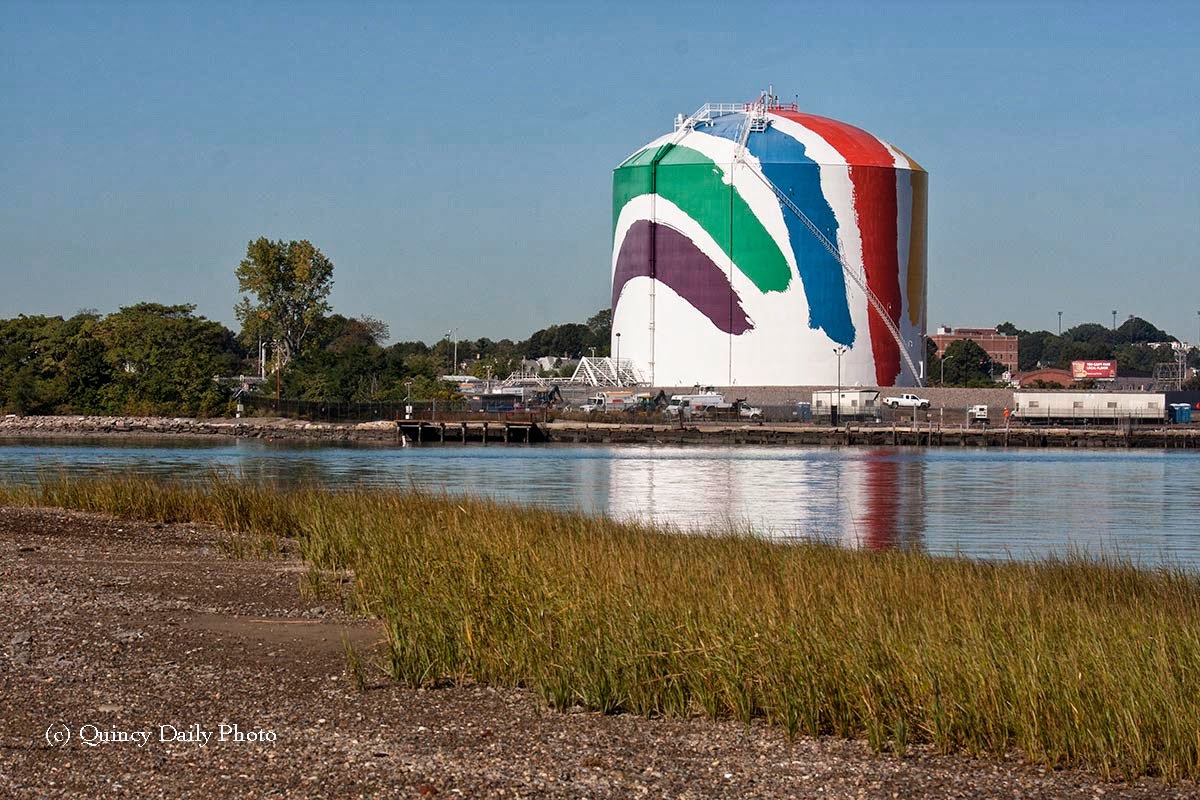

- Corita Kent, that they may have life (1964)
- Corita Kent, Rainbow Swash (1971)
- Corita Kent, Love stamp (1985)
Viewing: Jasper Johns, Flag Paintings:

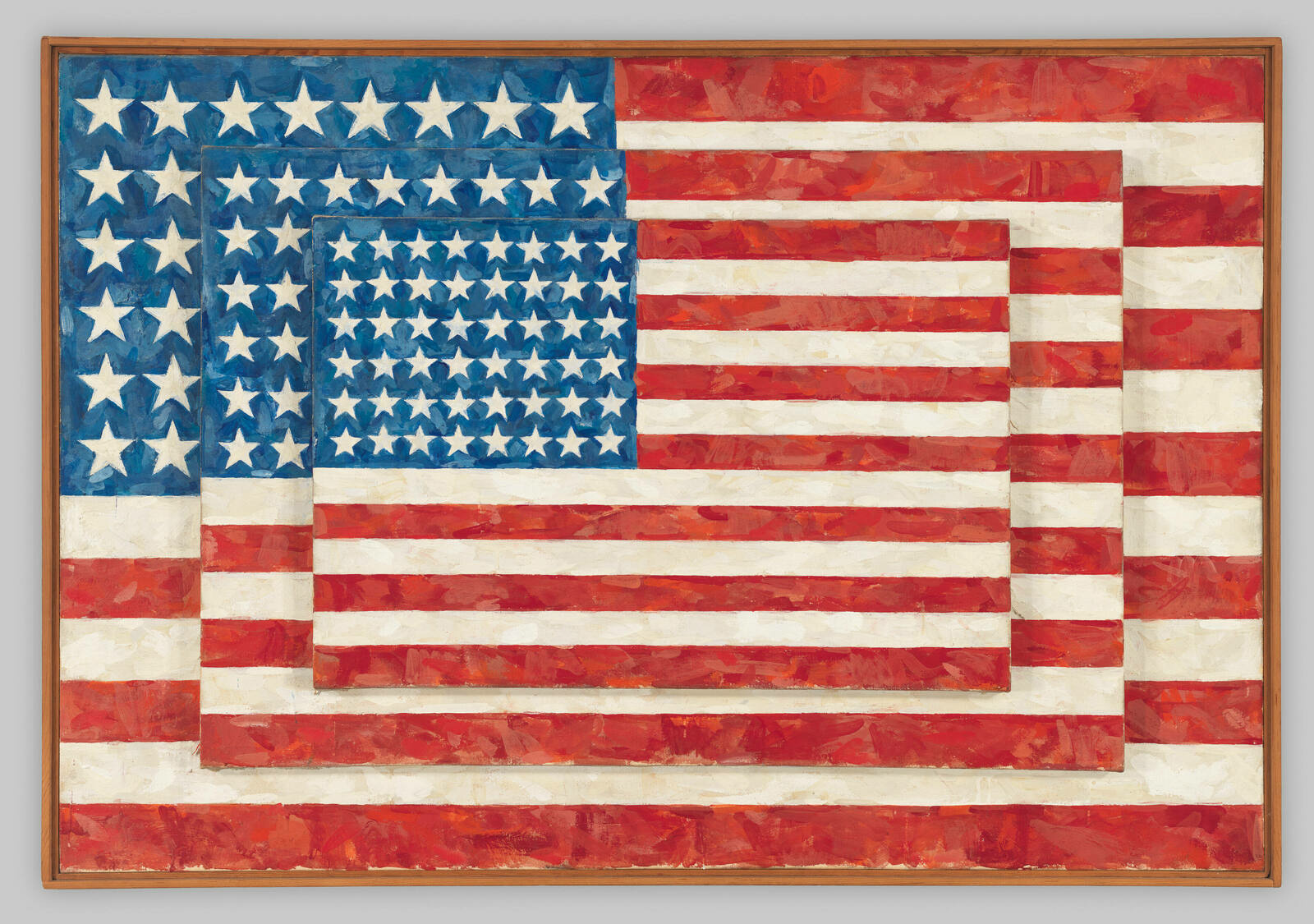

- Jasper Johns, Flag (1954)
- Jasper Johns, Threee Flags (1958)
- Jasper Johns, Flag Moratorium (1969)
Viewing: Jimi Hendrix, “Star Spangled Banner” (leads into “Purple Haze”) performed at Woodstock, Aug 1969.
Writing: Respond to ONE of the following prompts. Keep your response short, posting as a reply under the appropriate heading in the comments section:
- Many of these artworks rework preexisting culture. Focusing on one in particular, give a rich description of what it adds, subtracts, or otherwise does to transform the original.
- Identify one of these pieces that strikes you as turning non-art into art. What’s at stake, culturally, in this act of transformation?
- Identify one of these pieces that strikes you as voicing a political message. What’s the message, and how is it being voiced?
Political Messages in These Artworks
⤹Click the reply button just below.
Striking Language from Howl
⤹Click the reply button just below.
The Emotional Valence of Howl’s Opening Section
⤹Click the reply button just below.
The Emotional Valence of Howl’s Later Sections
⤹Click the reply button just below.
Modifications to the Original in these Artworks
⤹Click the reply button just below.
Turning Non-Art into Art
⤹Click the reply button just below.