
Orientalism and Empire
When we touched on Orientalism last semester, it was in connection with Montesquieu and Montagu—writers from the 1720s who showed a fascination with foreign societies, and who used the perspective provided by cultural difference to critique European mores. In my lecture introducing those authors, I noted that Orientalism of this sort became more widespread but also changed in character over the next few centuries, as European nations forged worldwide colonial networks. Many agents who worked on the front lines of Empire became expert in local crafts and customs, but they did so from positions of power within an established hierarchy. When they returned home, these collectors brought their tastes and interests with them, leading to widespread fascination with exotic locales.
In France, painters catered to this interest as seen in the collection of images below. You Take a few moments to look over these paintings, then submit a short written response for HW.
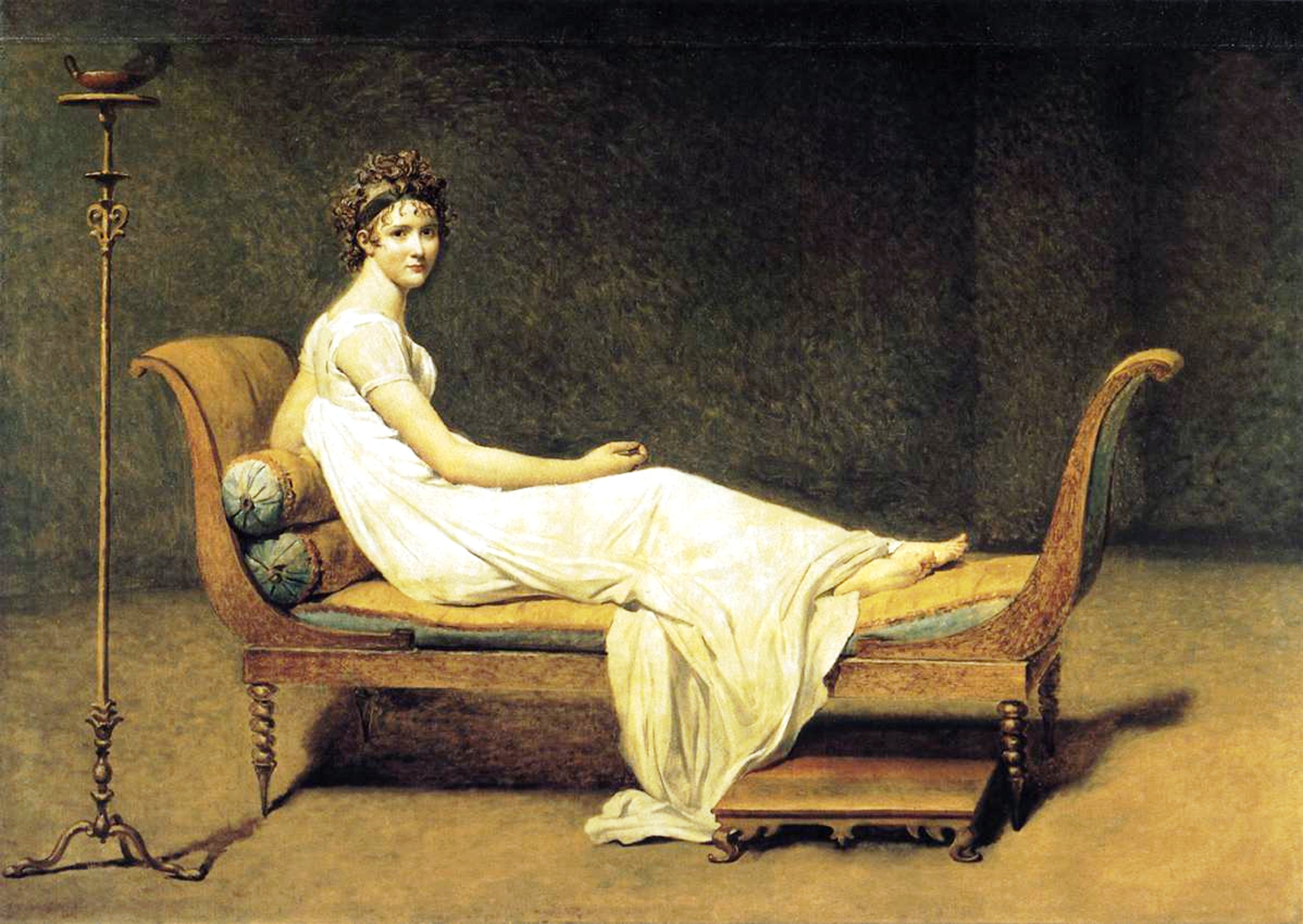
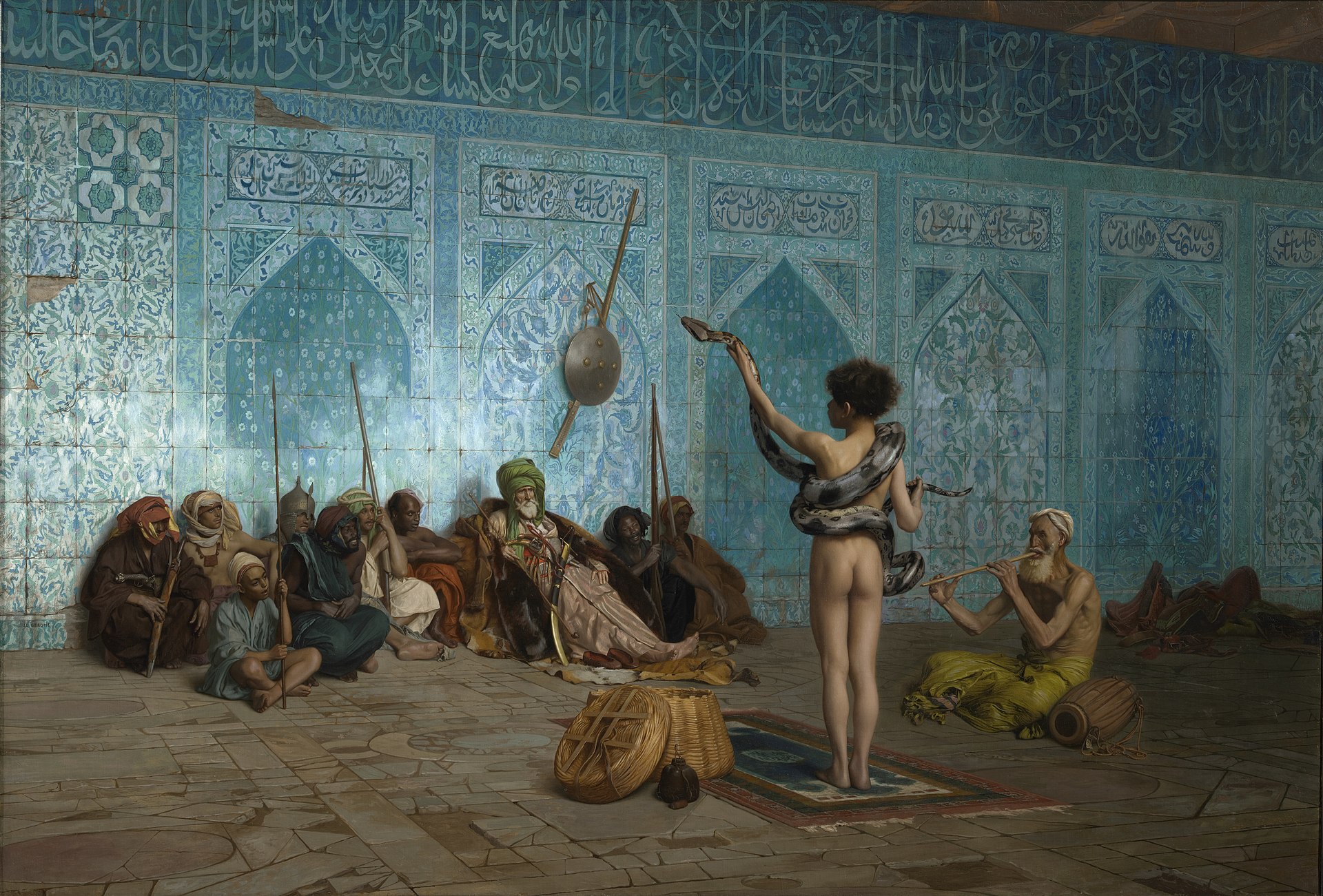
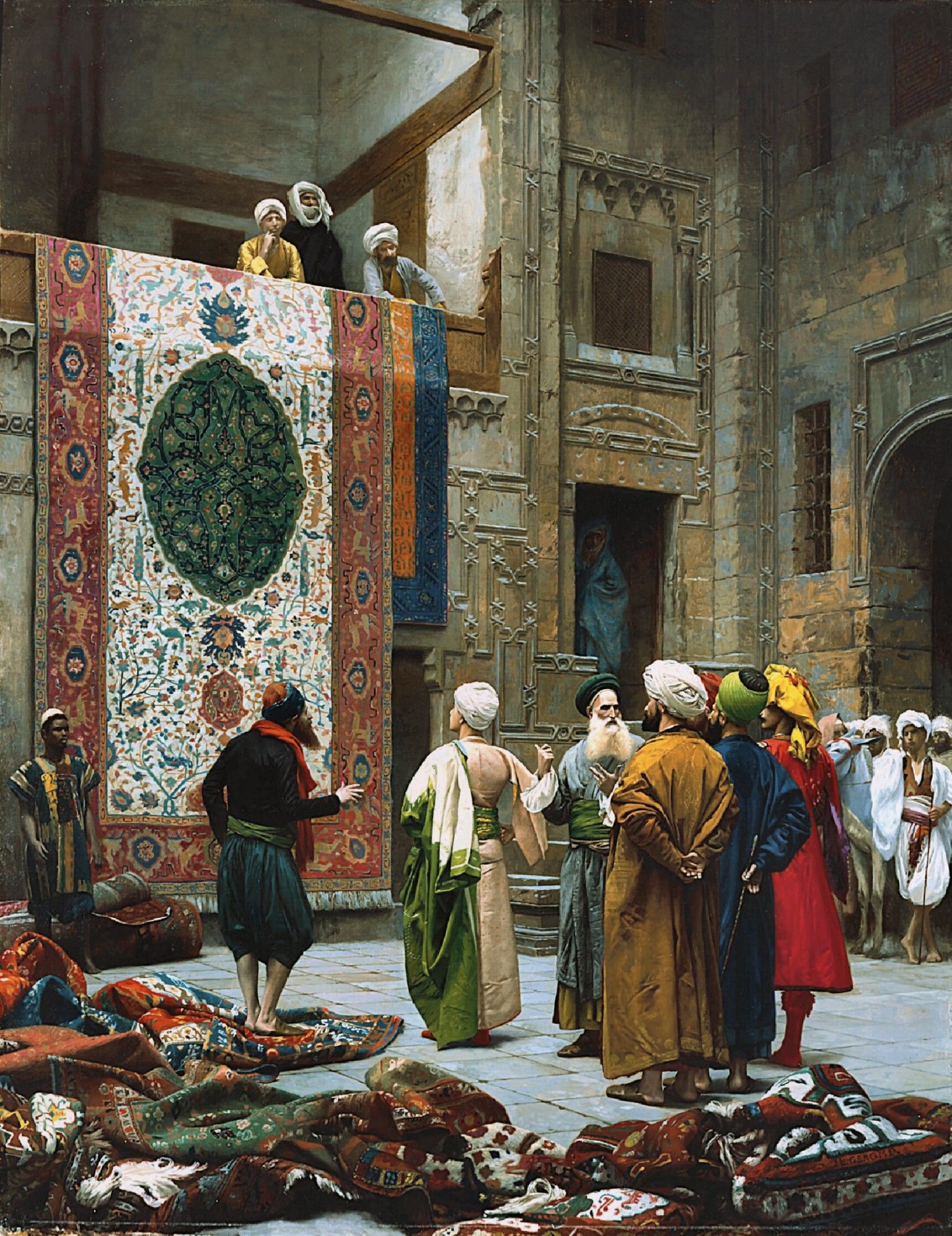
- Jacques-Louis David, Madame Récamier (1800): this is a Neoclassical piece provided by way of contrast to the later works in this collection. Note the Roman costume and setting.
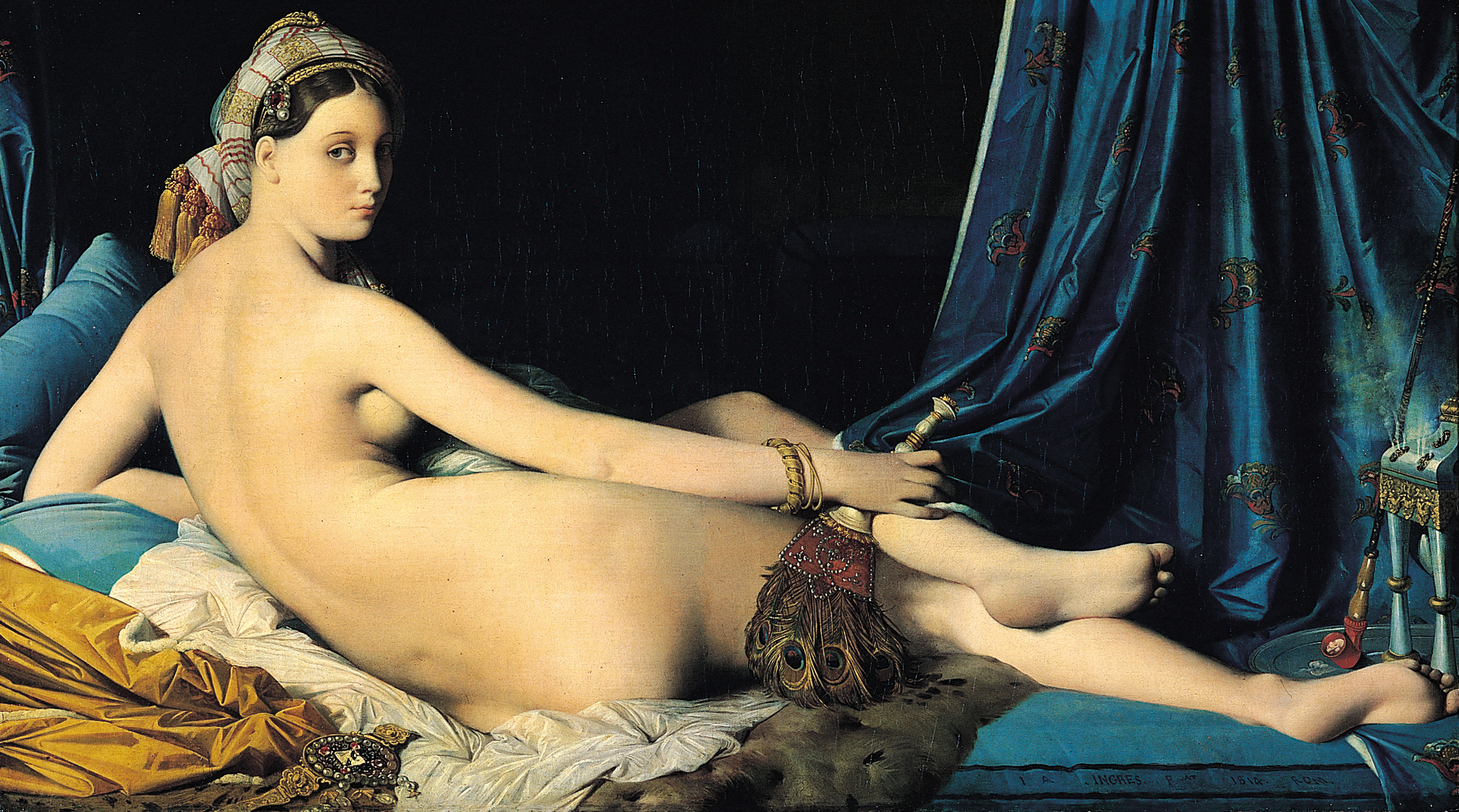
- Jean Auguste Dominique Ingres, Grande Odalisque (1814). (Strickland provides an brief but interesting account of this image and its impact on tradition on pp 70-71.)
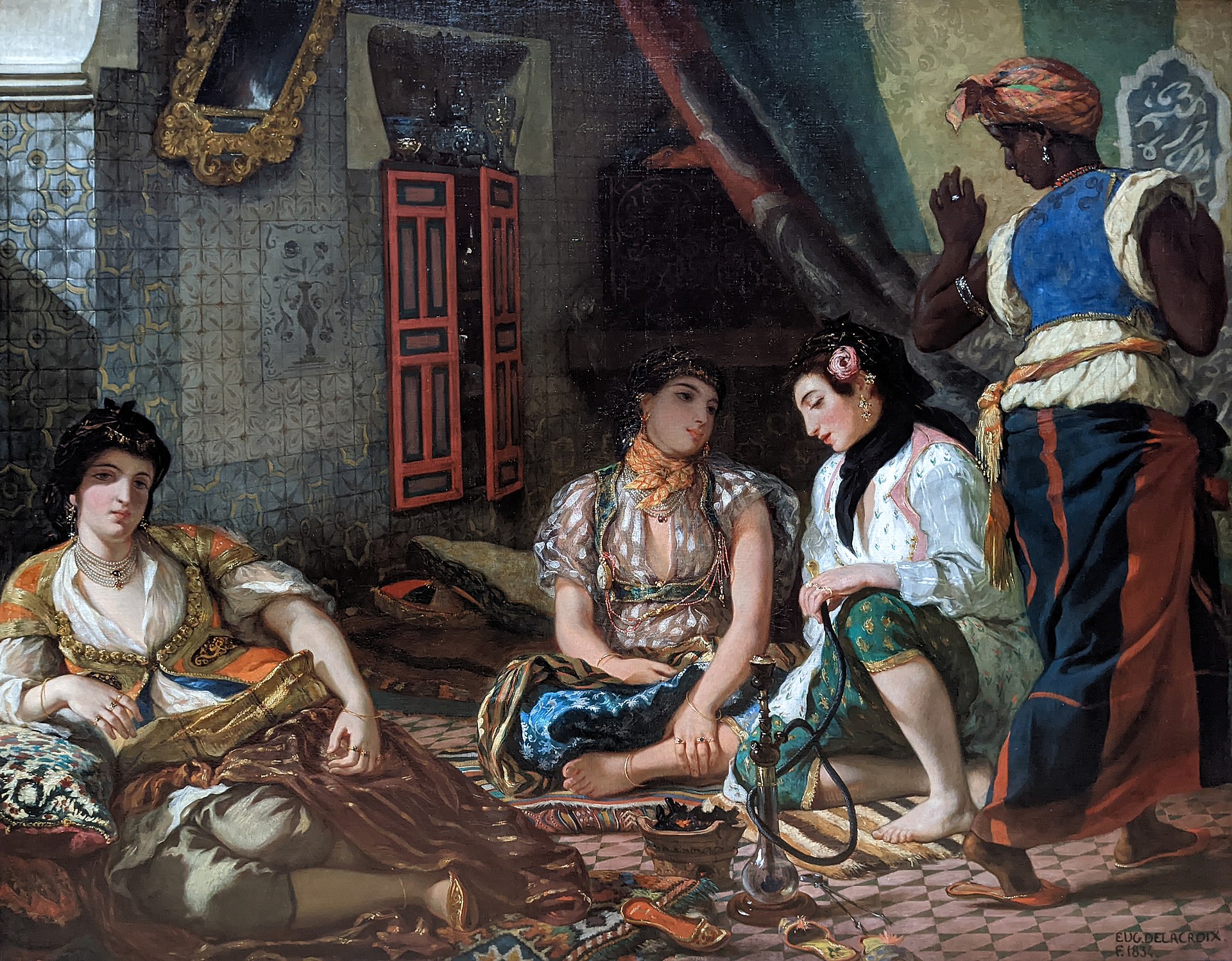
- Eugène Delacroix, The Women of Algiers (1834).
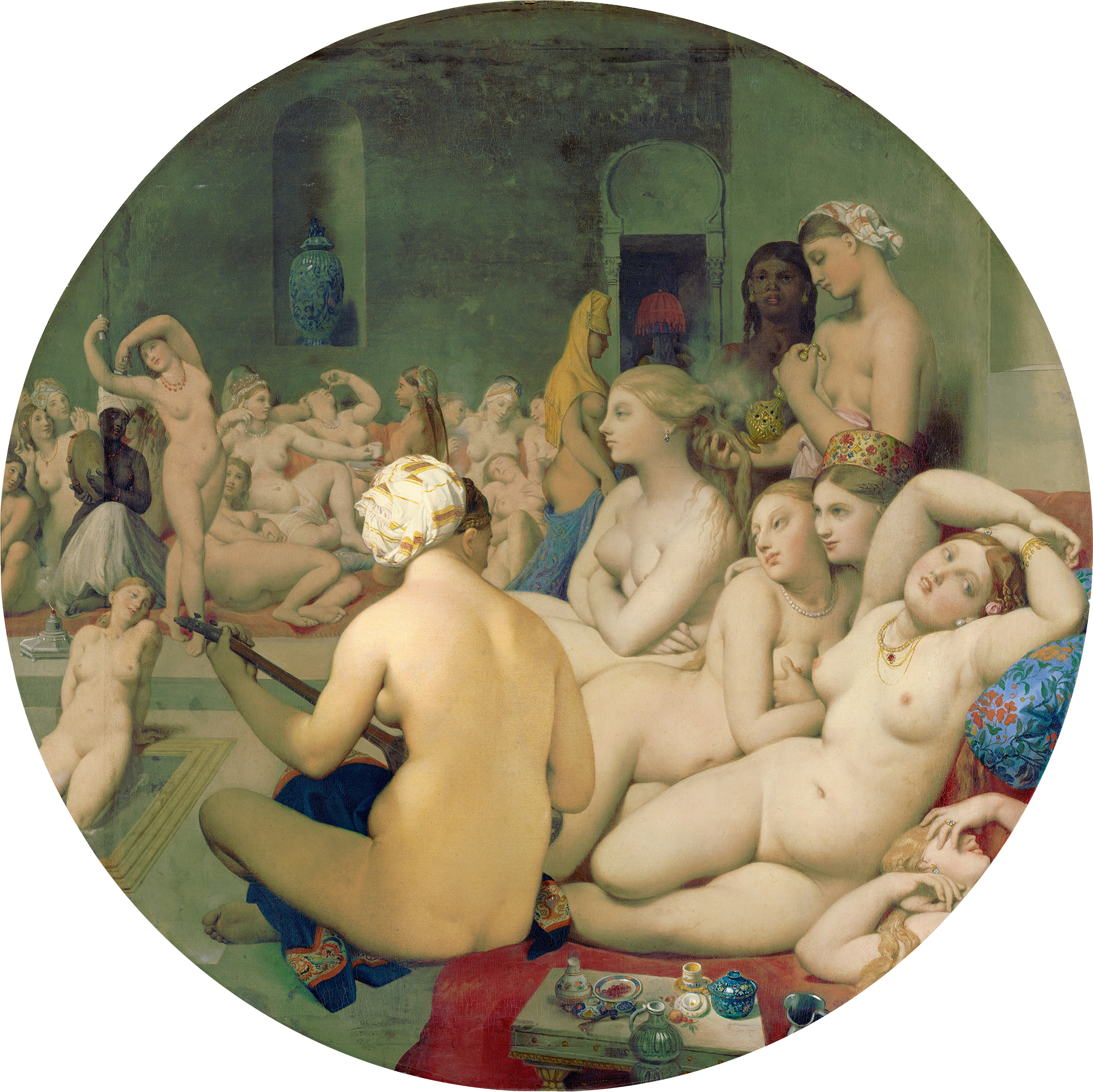
- Jean Auguste Dominique Ingres, The Turkish Bath (1852-62).
- Jean-Léon Gérôme, The Snake Charmer (1879).
- Jean-Léon Gérôme, The Carpet Merchant (1887).
Writing: Respond to ONE of the following prompts. Keep your response short, posting as a reply under the appropriate heading in the comments section:
- Point to a pattern you see in these images, then speculate as to its significance.
- Ingres lived in Europe all his life, working in Italy and France, while Delacroix and Gérôme both toured Africa and the Near East. Does this show in their work? Point to specifics, if possible.